My new house
What this chapter covers
- I can name the rooms and parts of a house, like the kitchen, the hall, upstairs and downstairs (5.1)
- I can say where things are with in, on, under, behind, in front of and next to, like "Where's the dog? It's behind the door." (5.1, 5.4)
- I can name things in a house, like a cupboard, an armchair, a bookcase, a fridge, a clock and a mirror (5.2, 5.4)
- I can ask and answer who owns something, like "Whose coat is this? It's mine." and "Whose trainers are these? They're Tim's." (5.2)
- I can use mine, yours, his and hers (5.2)
- I can talk about a different kind of home, the traditional Japanese house, using "There is one big room" and "There are a lot of paper doors" (5.3)
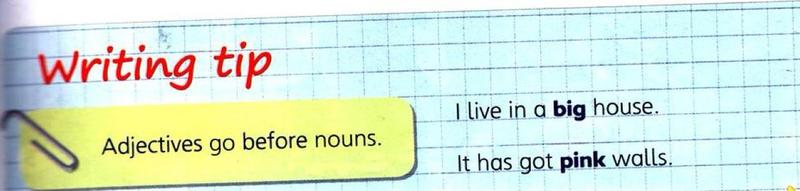
- I can write a short paragraph about my home, putting adjectives before nouns, like "a big house" and "pink walls" (5.5)
- I can read a short story and understand its value, "Be responsible and pick up your things after playtime." (5.6)
- I can say words with th (this, tooth), sh (ship), ch (chair) and tch (kitchen) (5.7)
Welcome to Module 5! Anna has a new house. You will learn the rooms and things in a house, say where things are, ask whose things they are, visit a traditional Japanese house and write about your own home.
5.1Sing a song: Anna's new house
New words for the parts of a house and for saying where things are.
 doorwe open it to go in
 floorwe walk on it
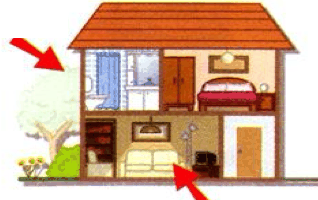 upstairs / downstairstop floor / bottom floor
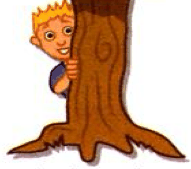 behindat the back of
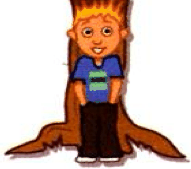 in front ofat the front of
Get Smart Plus 3, p. 45.
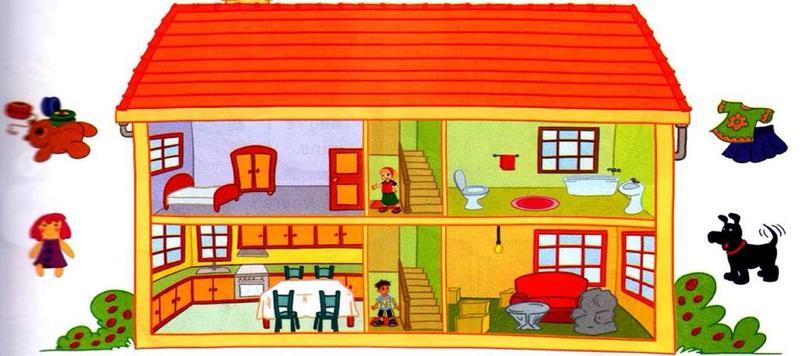
The rooms of a house
Get Smart Plus 3, p. 45.
| Room | What we do there |
|---|---|
| bedroom | We sleep. There is a bed and a wardrobe. |
| bathroom | We have a bath or a shower. There is a toilet. |
| kitchen | We cook. There is a fridge and a cooker. |
| living room | We sit and watch TV. There is a sofa and an armchair. |
| dining room | We eat. There is a table and chairs. |
| hall | The space just inside the front door. |
My new house, my new house,
Come with me to my new house,
I'm upstairs and you're downstairs.
My doll is in the kitchen.
Rex is behind the door.
The toys are in front of the wardrobe.
My clothes are on the bedroom floor.
Pattern: Where's...? Where are...?
| Question | Answer |
|---|---|
| Where's the dog? (one thing) | It's behind the door. |
| Where's Rex? | He's behind the door. |
| Where are the toys? (more than one) | They're upstairs. They're in front of the wardrobe. |
Get Smart Plus 3, p. 45.
Words for place (prepositions)
| Word | Example from the book |
|---|---|
| in | My doll is in the kitchen. The cheese is in the fridge. |
| on | My clothes are on the bedroom floor. The coat is on the armchair. |
| under | Emily looks under the armchair. |
| behind | Rex is behind the door. Bob looks behind the bookcase. |
| in front of | The toys are in front of the wardrobe. |
| next to | The box is next to the bookcase. |
Show answerHide answer
5.2Smart kids: Whose is it?
More things in a house:
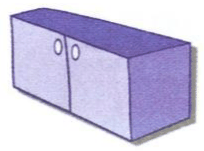 cupboardwe keep things in it
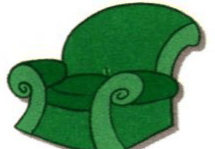 armchaira soft chair with arms
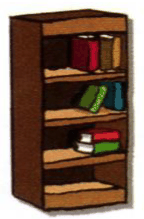 bookcaseshelves for books
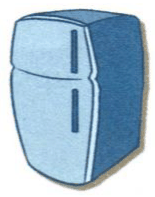 fridgekeeps food cold
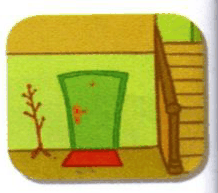 hallinside the front door
Get Smart Plus 3, p. 46.
Reading: whose clothes? (p. 46)
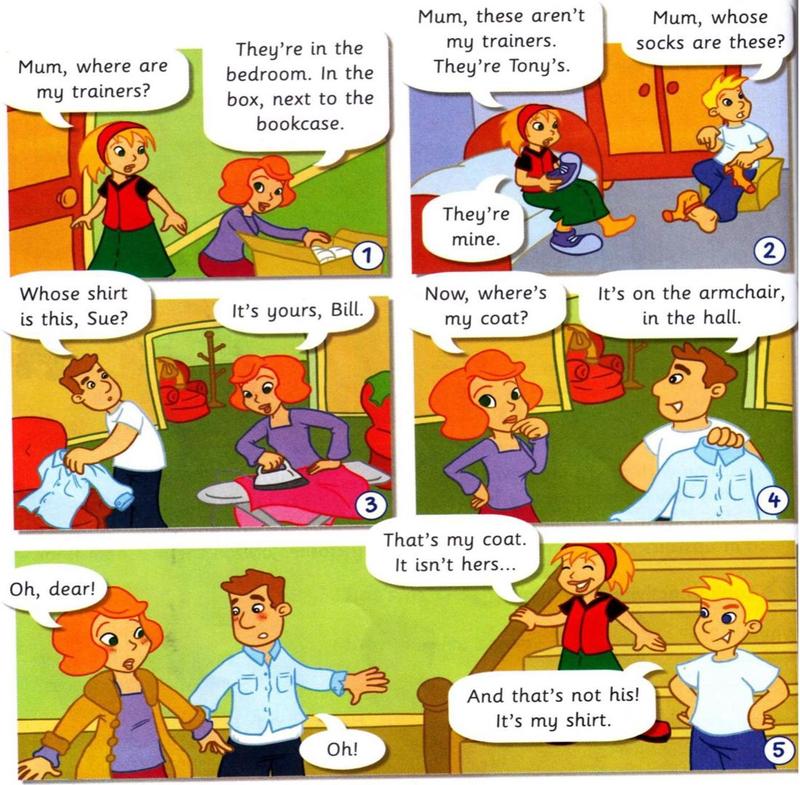
Get Smart Plus 3, p. 46.
The story: Anna's trainers are in the bedroom, in the box next to the bookcase. But they aren't her trainers. They're Tony's! Tony finds some socks. They're Anna's. Dad (Bill) asks, "Whose shirt is this, Sue?" Mum says, "It's yours, Bill." Mum looks for her coat. It's on the armchair in the hall. But Mum is wearing Anna's coat and Dad is wearing Tony's shirt. Oh, dear!
Clothes

 trainerssports shoes
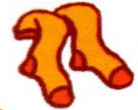 socks
socks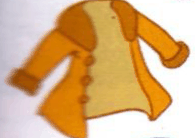 coat
coat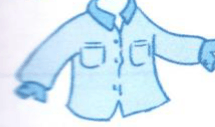 shirt
shirtGet Smart Plus 3, p. 47.
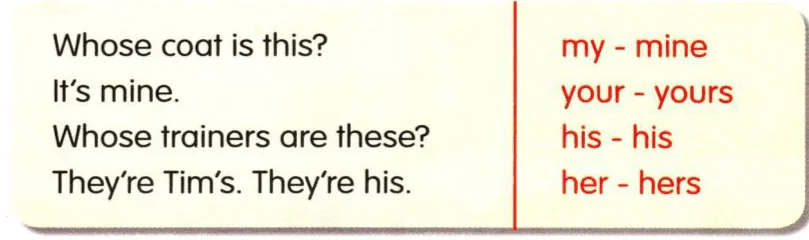
Pattern: Whose...?
Get Smart Plus 3, p. 47.
| Question | Answer |
|---|---|
| Whose coat is this? (one thing) | It's mine. It's Kim's. |
| Whose trainers are these? (two or more) | They're Tim's. They're his. |
| Before a noun | On its own | Example |
|---|---|---|
| my | mine | It's my coat. It's mine. |
| your | yours | It's your shirt. It's yours. |
| his | his | They're Tim's trainers. They're his. |
| her | hers | It's Sue's coat. It's hers. |
Show answerHide answer
5.3Our world: the traditional Japanese house
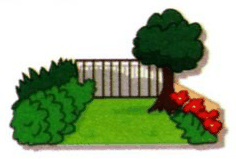 garden
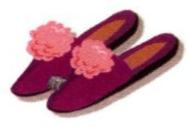 slipperssoft shoes for indoors
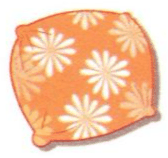 cushiona soft pillow to sit on
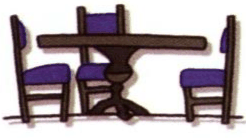 dining roomwe eat here
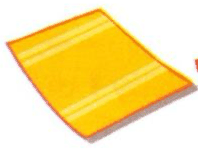 maton the floor
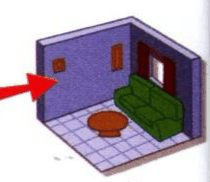 wallthe side of a room
Get Smart Plus 3, p. 48.
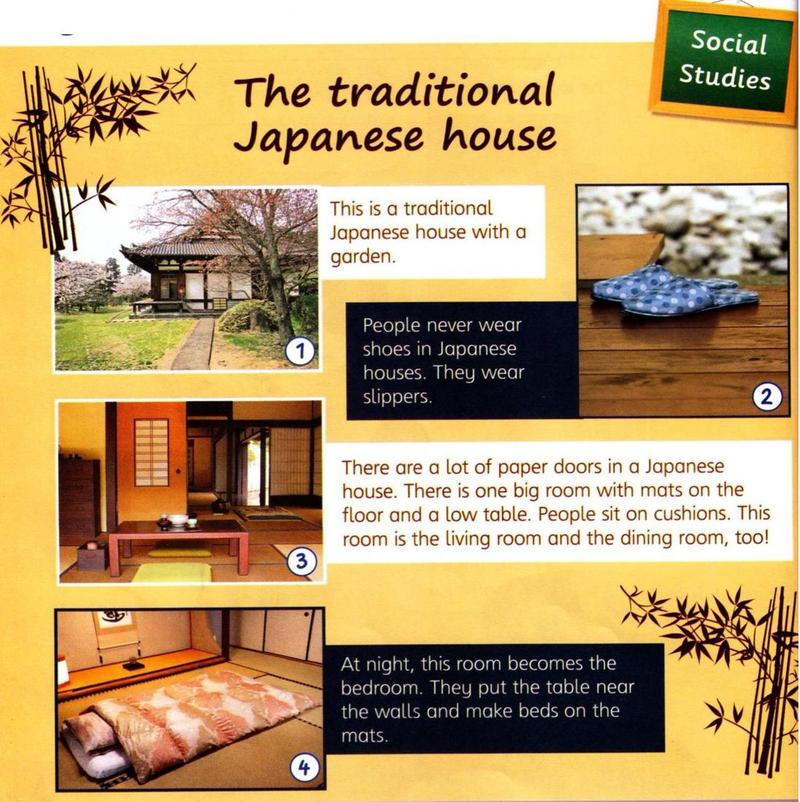
Get Smart Plus 3, p. 48 (Social Studies).
The text in short:
- A traditional Japanese house has a garden.
- People never wear shoes inside. They wear slippers.
- There are a lot of paper doors. There is one big room with mats on the floor and a low table.
- People sit on cushions. The big room is the living room and the dining room, too!
- At night it becomes the bedroom. They put the table near the walls and make beds on the mats.
Pattern: There is / There are
| One thing | Many things |
|---|---|
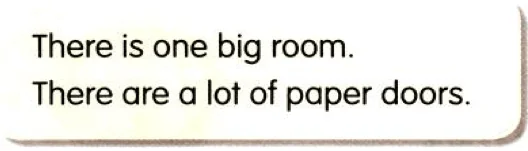
| There is one big room. | There are a lot of paper doors. |
| There's a pink sofa in the living room. | There are three bedrooms upstairs. |
Get Smart Plus 3, pp. 49 and 51.
Show answerHide answer
5.4Let's play: where is it?
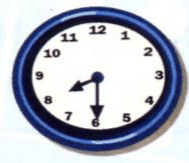 clocktells the time
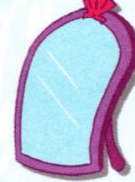 mirrorwe see ourselves in it
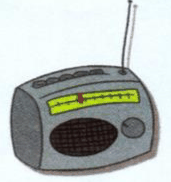 radiowe listen to it
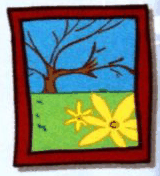 paintinga picture on the wall
Get Smart Plus 3, p. 50.
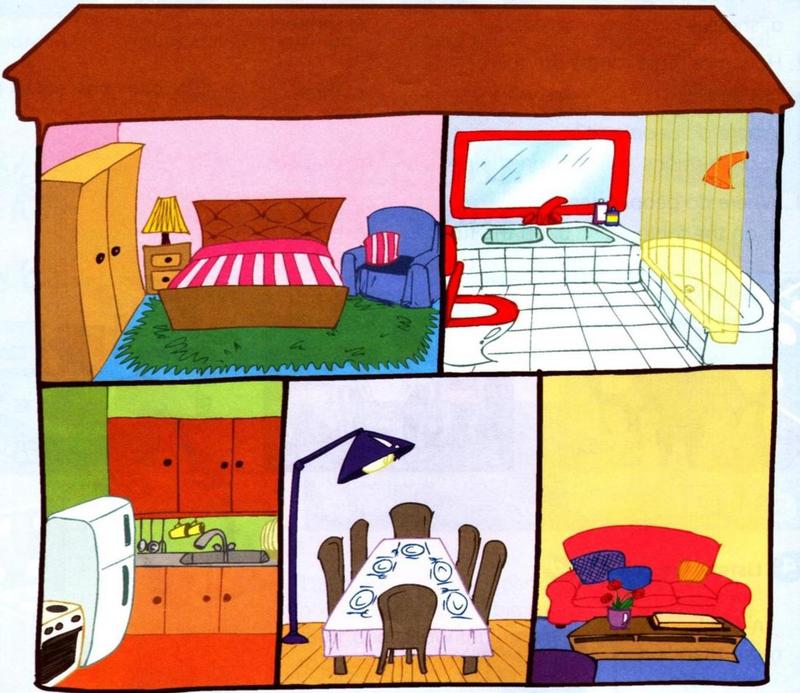
Get Smart Plus 3, p. 50.
The wardrobe is in the bedroom. The armchair is next to the bed.
The fridge is in the kitchen. There are flowers on the table in the living room.
Show answerHide answer
5.5Project: my house
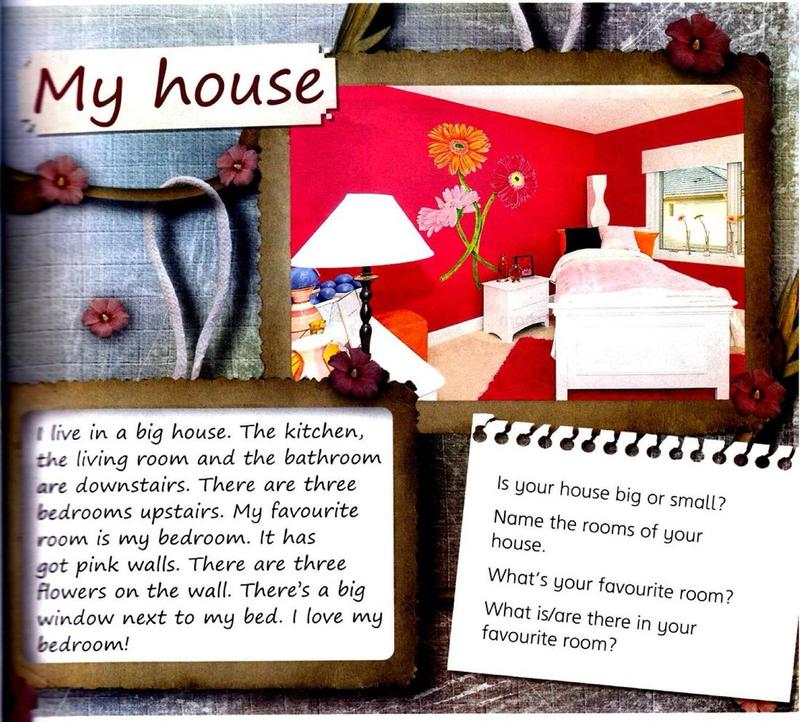
Get Smart Plus 3, p. 51.
Plan your own paragraph with Sue's questions:
- Is your house big or small?
- Name the rooms of your house.
- What's your favourite room?
- What is / are there in your favourite room?
Show answerHide answer
5.6Story time: The ghost
Get Smart Plus 3, pp. 52–53.
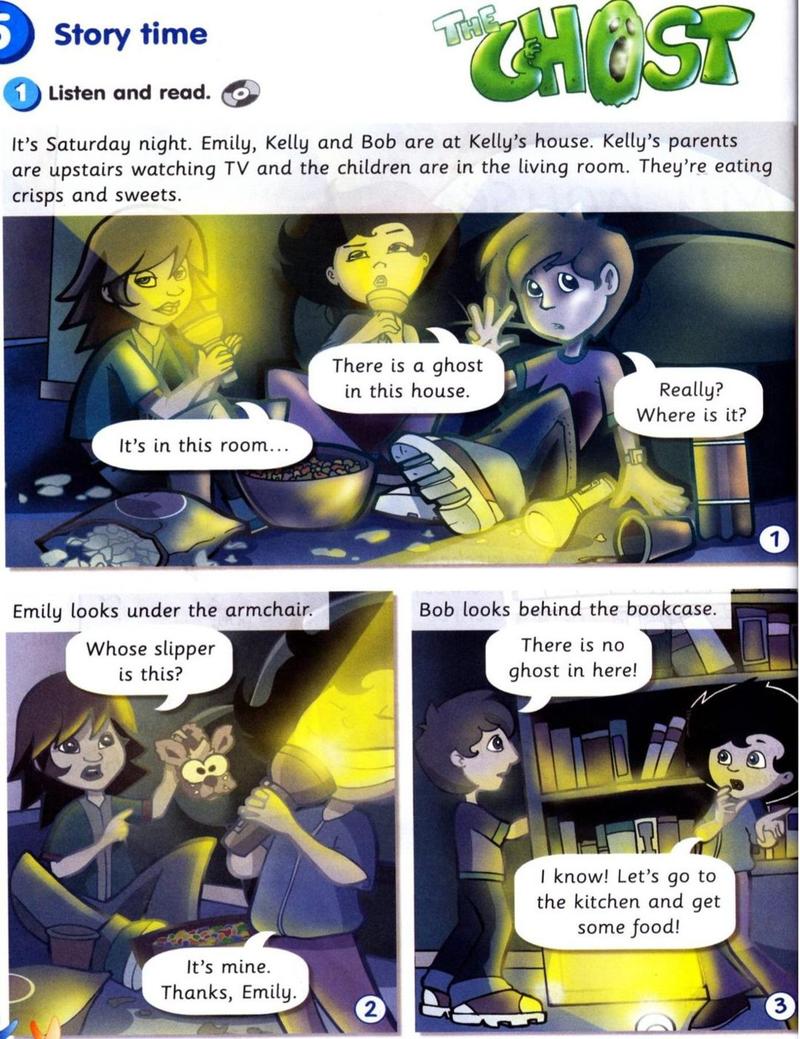
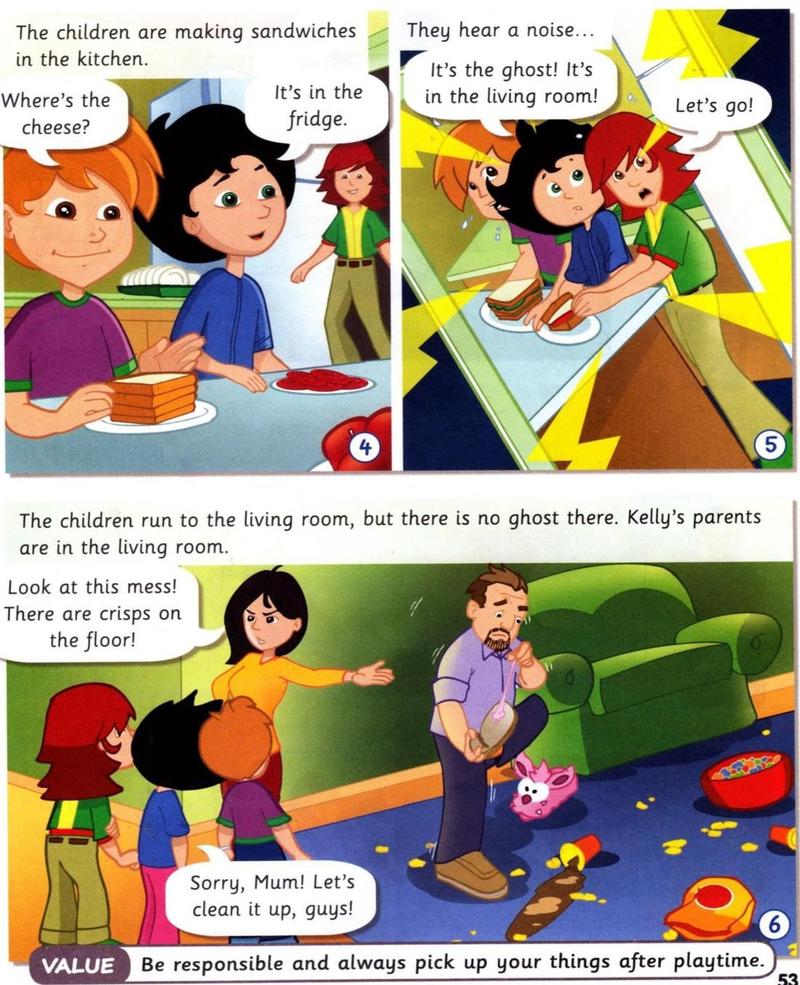
The story: It's Saturday night. Emily, Kelly and Bob are in the living room at Kelly's house, eating crisps and sweets. Kelly's parents are upstairs. Kelly says, "There is a ghost in this house." Emily looks under the armchair and finds a slipper. "Whose slipper is this?" "It's mine. Thanks, Emily." Bob looks behind the bookcase. There is no ghost! They go to the kitchen to make sandwiches. "Where's the cheese?" "It's in the fridge." They hear a noise and run to the living room. There is no ghost, only Kelly's parents. Mum says, "Look at this mess! There are crisps on the floor!" "Sorry, Mum! Let's clean it up, guys!"
Show answerHide answer
5.7Phonics: th, sh, ch, tch
Get Smart Plus 3, p. 109.
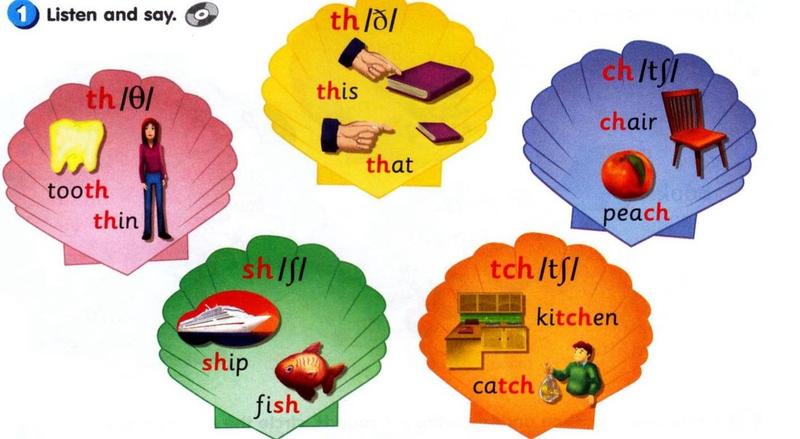
| Letters | Sound | Example words | How to say it |
|---|---|---|---|
| th | /θ/ | thin, tooth, thirteen | tongue between the teeth, blow air (no voice) |
| th | /ð/ | this, that, mother | tongue between the teeth, use your voice (buzz) |
| sh | /ʃ/ | ship, fish, shells | "shhh!" like asking for quiet |
| ch | /tʃ/ | chair, peach | like a sneeze: "choo!" |
| tch | /tʃ/ | kitchen, catch | the same sound as ch |
My sister and my brother.
This is our house, it's got thirteen rooms.
A kitchen, three bathrooms and three living rooms.
Show answerHide answer
Summary
| Topic | Remember |
|---|---|
| Rooms | bedroom, bathroom, kitchen, living room, dining room, hall; upstairs, downstairs |
| Things in a house | door, floor, wall, cupboard, armchair, bookcase, fridge, clock, mirror, radio, painting, cushion, mat, slippers, garden |
| Where? | Where's the dog? It's behind the door. Where are the toys? They're upstairs. in, on, under, behind, in front of, next to |
| Whose? | Whose coat is this? It's mine. Whose trainers are these? They're Tim's. They're his. my → mine, your → yours, his → his, her → hers |
| There is / are | There is one big room. There are a lot of paper doors. |
| Writing | Adjectives go before nouns: a big house, pink walls. |
| Phonics | th (thin, this), sh (ship), ch (chair), tch (kitchen) |
| Value | Be responsible and always pick up your things after playtime. |