Where were you yesterday?
What this chapter covers
- I can name places in a town, like at home, at the shopping centre, at the theatre, at the park and at the zoo (8.1)
- I can talk about times of day, in the morning, in the afternoon and in the evening (8.1)
- I can ask and answer "Where were you yesterday?" "I was at the shopping centre." and "Where was she?" "She was at home." (8.1)
- I can describe things with adjectives like scary, funny, boring, delicious, noisy, quiet and interesting (8.2, 8.4)
- I can ask and answer "Was the film good? Yes, it was. / No, it wasn't." and "Were you at home? Yes, we were. / No, we weren't." (8.2)
- I can talk about life in the past with "There was / wasn't a theatre." and "There were / weren't many cars." (8.3)
- I can talk about means of transport in the past and now, like carriages, cars and bicycles (8.3)
- I can ask "How was it?" and answer "It was noisy." (8.4)
- I can write my own diary and use the intensifiers very, really and so (8.5)
- I can read a short story and understand its value, "Share your experiences with friends." (8.6)
- I can say and spell words with ck (kick, clock), nk (bank, sink) and ng (long, king) (8.7)
Yesterday is the day before today. In this module we talk about the past: where we were, how things were and what there was long ago. The two magic words are was and were.
8.1Where were you yesterday?
Places and times of day

Get Smart Plus 3, p. 75.
| More places | Times of day |
|---|---|
| at school, at the park, at the zoo | in the morning |
| at the bookshop, at the restaurant, at the toy shop | in the afternoon |
| at the cinema, at the circus, at the amusement park | in the evening |
The song: Where were you?
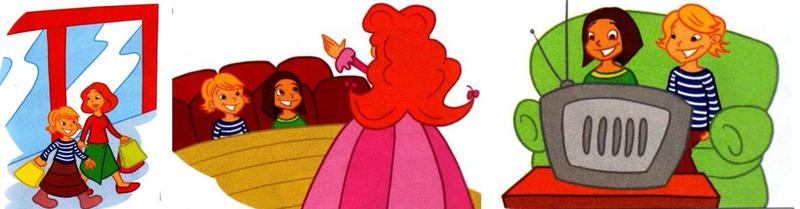
Get Smart Plus 3, p. 75.
Pattern: Where was / were ...?
| Question | Answer |
|---|---|
| Where were you yesterday? | I was at the shopping centre. |
| Where was he / she yesterday? | He / She was at home. |
| Where were they yesterday? | They were at the theatre. |
| Where were you (two) yesterday evening? | We were at home. |
| use was with | use were with |
|---|---|
| I, he, she, it, one name (Dora) | you, we, they, two names (Kevin and Sandra) |
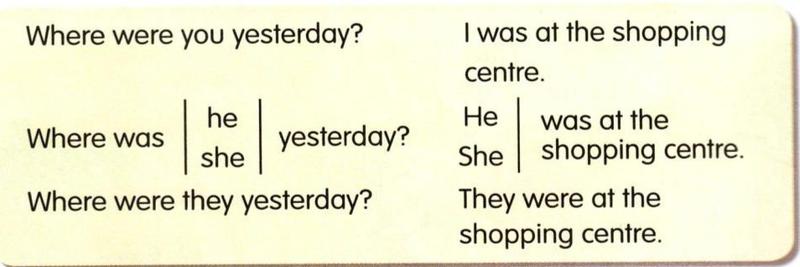
Get Smart Plus 3, p. 75.
Show answerHide answer
8.2Smart kids: Was the film good?
Adjectives: how was it?

Get Smart Plus 3, p. 76.
| Word | Meaning | Example |
|---|---|---|
| scary | makes you afraid | The film was scary. |
| funny | makes you laugh | The clowns were funny. |
| boring | not interesting, makes you sleepy | The film was boring. |
| delicious | tastes very good | The popcorn was delicious. |
The comic strip
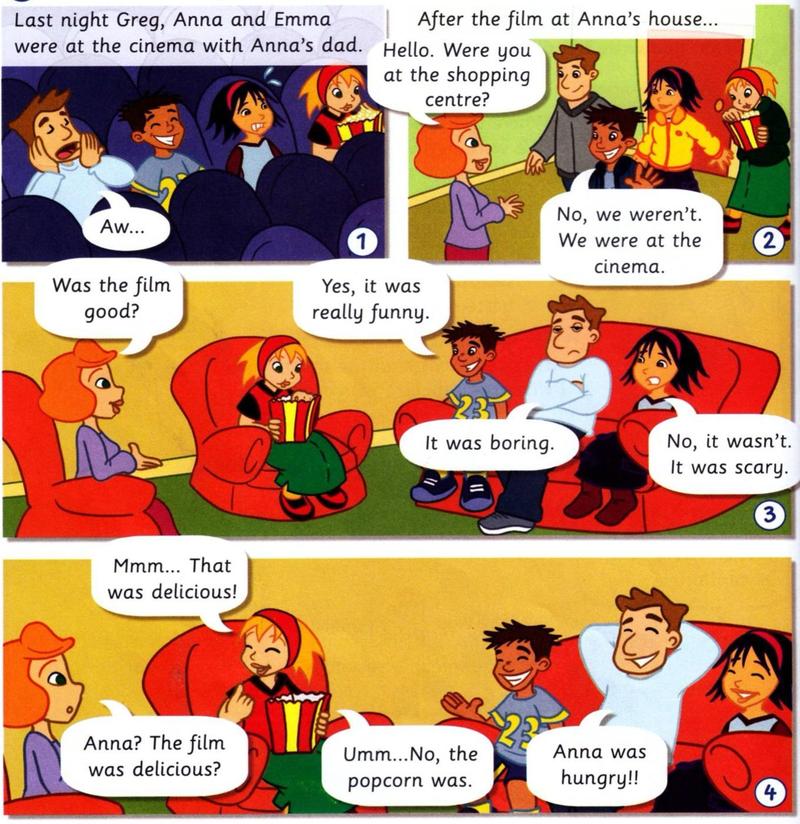
Get Smart Plus 3, p. 76.
What happens? Last night Greg, Anna and Emma were at the cinema with Anna's dad. Anna's mum asks, "Were you at the shopping centre?" "No, we weren't. We were at the cinema." Greg thinks the film was really funny. Dad thinks it was boring. Emma thinks it was scary. Anna says, "That was delicious!" She means the popcorn, not the film. Anna was hungry!
Pattern: Yes/No questions
| Question | Yes | No |
|---|---|---|
| Was the film good? | Yes, it was. | No, it wasn't. |
| Was she at home? | Yes, she was. | No, she wasn't. |
| Were you at the shopping centre? | Yes, we were. | No, we weren't. |
| Were they at the zoo? | Yes, they were. | No, they weren't. |
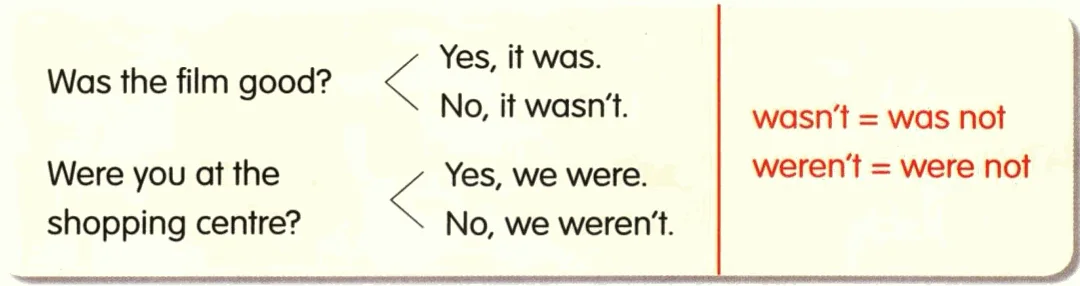
Get Smart Plus 3, p. 77.
Show answerHide answer
8.3Our world: a city from the past
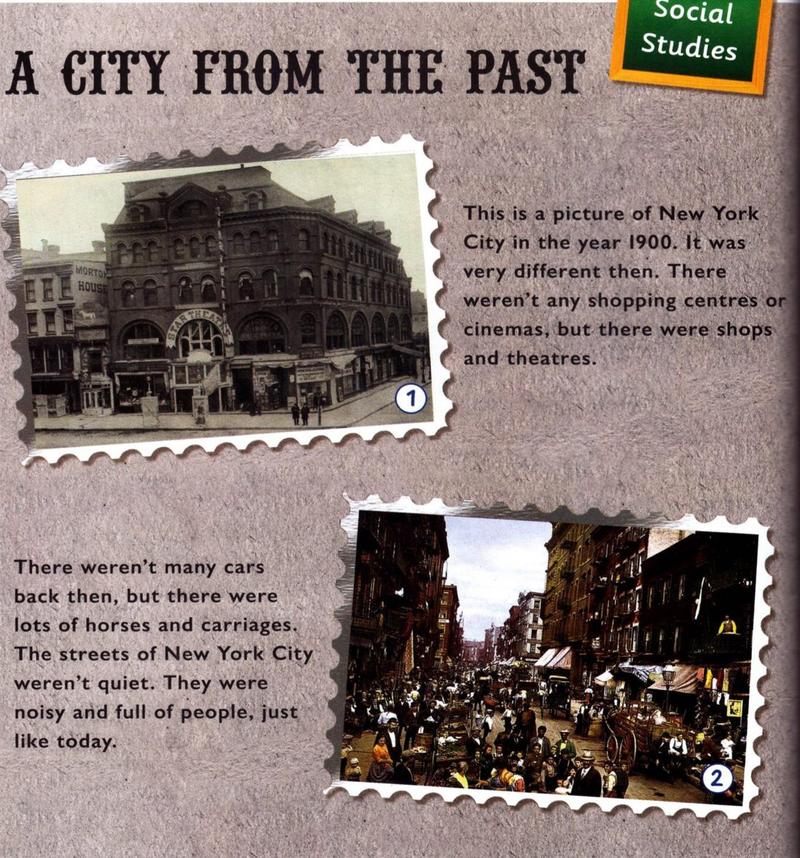
Get Smart Plus 3, p. 78.
The text in short: This is New York City in the year 1900. There weren't any shopping centres or cinemas, but there were shops and theatres. There weren't many cars, but there were lots of horses and carriages. The streets weren't quiet. They were noisy and full of people, just like today.
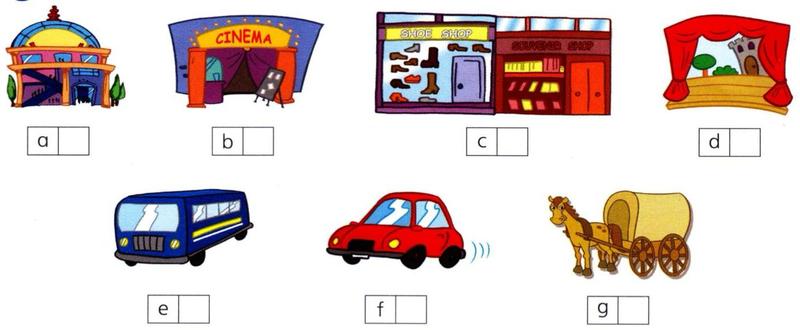
Pattern: There was / There were
| one thing | two or more things | |
|---|---|---|
| Yes | There was a theatre. | There were carriages. |
| No | There wasn't a bus. | There weren't many cars. |
Get Smart Plus 3, p. 79.
Show answerHide answer
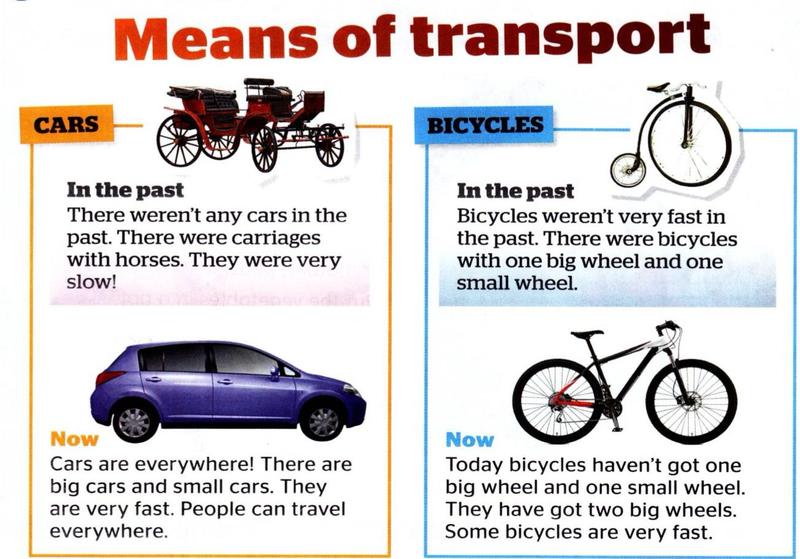
Means of transport: in the past and now
Get Smart Plus 3, CLIL 4, p. 118.
| In the past | Now | |
|---|---|---|
| Cars | There weren't any cars. There were carriages with horses. They were very slow! | Cars are everywhere. They are very fast. |
| Bicycles | Bicycles weren't very fast. They had one big wheel and one small wheel. | Bicycles have got two big wheels. Some are very fast. |
8.4Let's play: How was it?
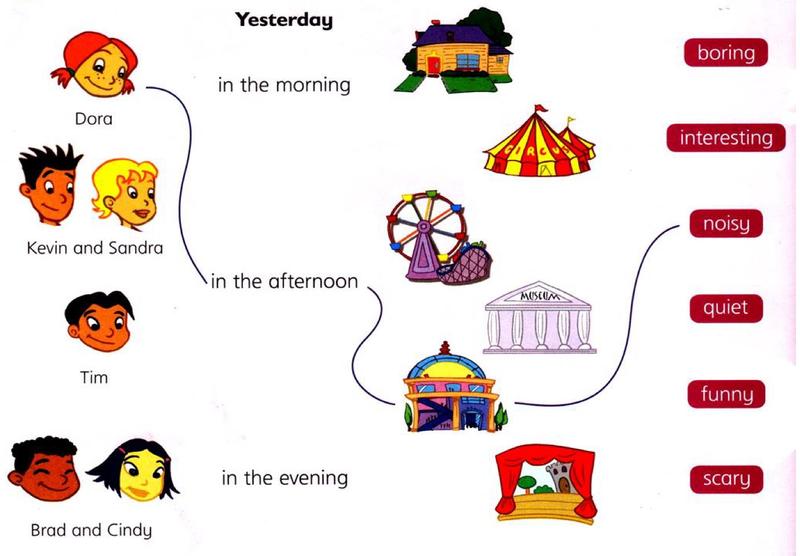
Get Smart Plus 3, p. 80.
B: In the afternoon she was at the shopping centre.
A: How was it?
B: It was noisy.
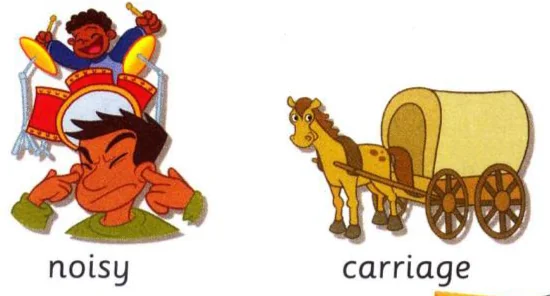
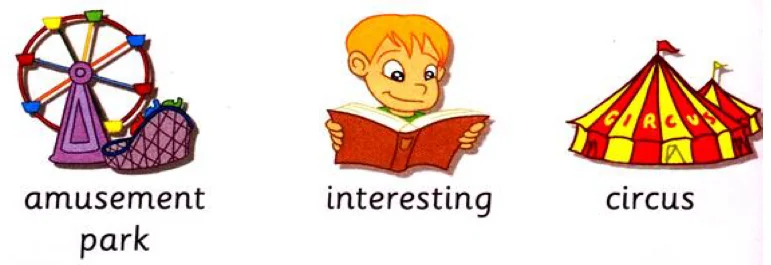
More adjectives: noisy (lots of sound), quiet (little sound), interesting (you want to know more).
Show answerHide answer
8.5Project: my diary
Get Smart Plus 3, p. 81.
| When? | Where was Kelly? | How was it? |
|---|---|---|
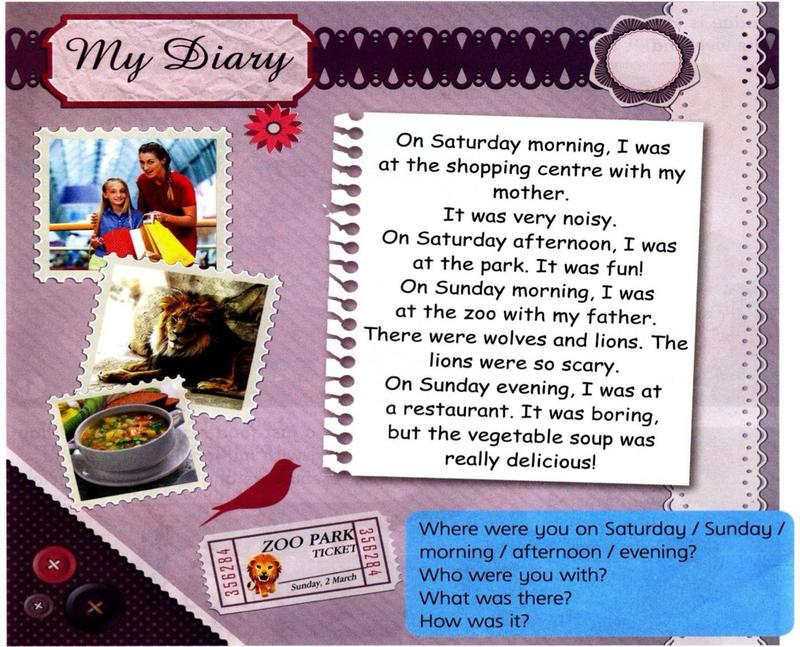
| Saturday morning | at the shopping centre with her mother | very noisy |
| Saturday afternoon | at the park | fun |
| Sunday morning | at the zoo with her father (wolves and lions) | the lions were so scary |
| Sunday evening | at a restaurant | boring, but the vegetable soup was really delicious |
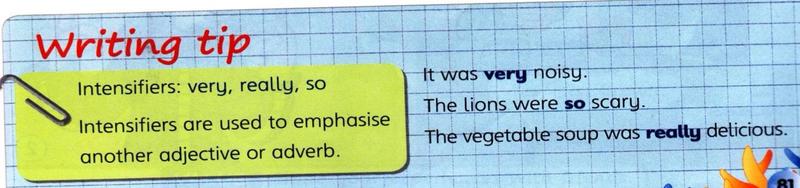
Writing tip: intensifiers
Get Smart Plus 3, p. 81.
Intensifiers (very, really, so) make an adjective stronger. Put them before the adjective: It was very noisy. The lions were so scary. The soup was really delicious.
On Saturday afternoon, I was at the park. It was really fun!
On Sunday evening, I was at home with my family. The chicken rice was so delicious.
8.6Story time: Where were you on Saturday?
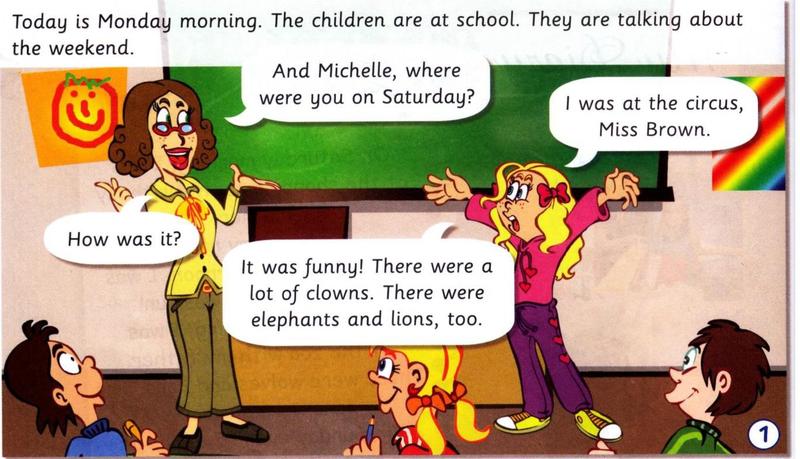
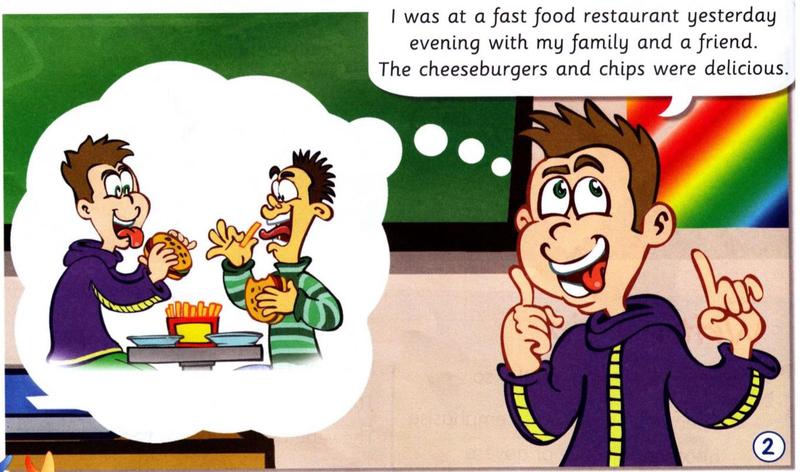
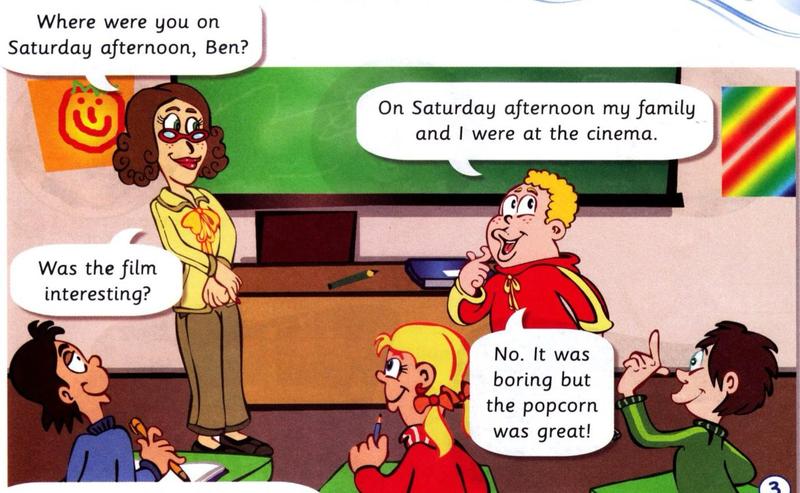
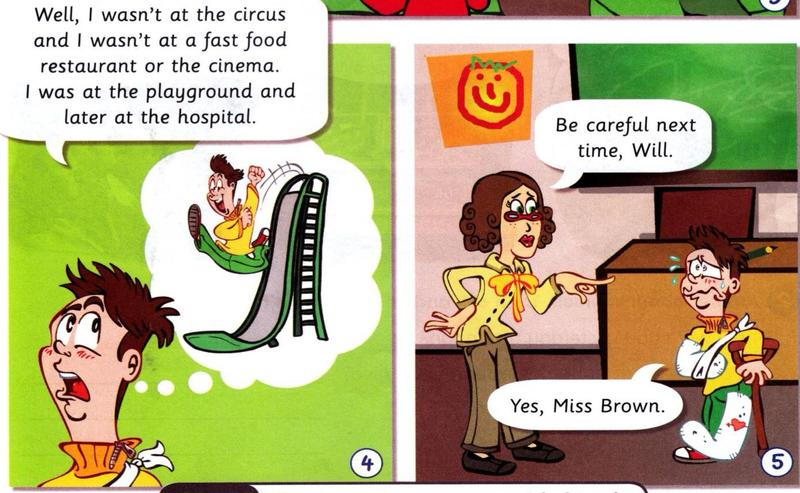
Get Smart Plus 3, pp. 82-83.
The story in short: It is Monday morning. Miss Brown asks the class about the weekend.
- Michelle was at the circus. It was funny. There were clowns, elephants and lions.
- A boy was at a fast food restaurant with his family and a friend. The cheeseburgers and chips were delicious.
- Ben was at the cinema. The film was boring, but the popcorn was great!
- Will wasn't at the circus, the restaurant or the cinema. He was at the playground and later at the hospital. He hurt his arm and leg. Miss Brown says, "Be careful next time, Will."
Show answerHide answer
8.7Phonics: ck, nk, ng
Get Smart Plus 3, Phonics 8, p. 112.
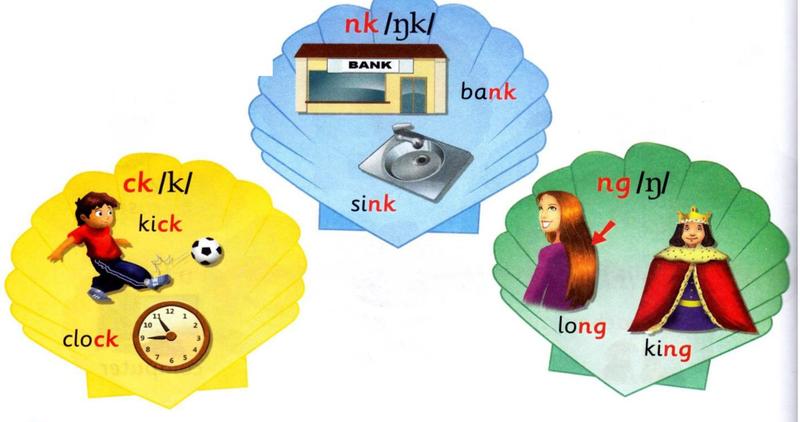
| Letters | Sound | Words |
|---|---|---|
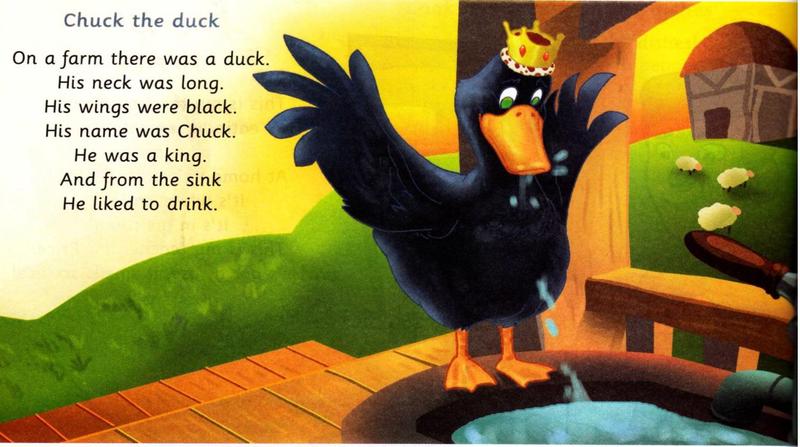
| ck | /k/ | kick, clock, duck, neck, black, Chuck |
| nk | /ŋk/ | bank, sink, drink, pink |
| ng | /ŋ/ | long, king, wing, sing |
Get Smart Plus 3, p. 112.
Show answerHide answer
Summary
- Places: at home, at school, at the shopping centre, theatre, cinema, park, zoo, bookshop, restaurant, toy shop, circus, amusement park.
- Times of day: in the morning, in the afternoon, in the evening; yesterday morning, last night.
- Was with I, he, she, it. Were with you, we, they. Where were you yesterday? I was at home.
- Yes/No: Was the film good? Yes, it was. / No, it wasn't. Were you at the zoo? Yes, we were. / No, we weren't.
- The past: There was a theatre. There wasn't a bus. There were carriages. There weren't many cars.
- Adjectives: scary, funny, boring, delicious, noisy, quiet, interesting. How was it? It was noisy.
- Intensifiers: very, really, so (before the adjective).
- Phonics: ck /k/ kick, clock; nk /ŋk/ bank, sink; ng /ŋ/ long, king.
- Value: Share your experiences with friends.