On holiday
What this chapter covers
- I can name holiday words like island, sea, boat, forest, river and beach (pp. 85–86)
- I can talk about my holiday with regular past verbs, e.g. "We packed our bags. We sailed a boat." (p. 85)
- I can ask and answer "What did you do at the weekend? I went to the forest." (pp. 86–87)
- I can use irregular past verbs went, had, took, swam, caught, made, ate, saw, found and bought (pp. 87–88)
- I can say what someone did not do with didn't, e.g. "He didn't swim." (pp. 88–89)
- I can ask and answer "Did you swim? Yes, I did. / No, I didn't." (p. 90)
- I can read a diary and a holiday text and answer questions about them (pp. 88, 91)
- I can write a short paragraph about my holiday, using and and but (p. 91)
- I can read the story "The Cub" (pp. 92–93)
- I can say the nd sound in sand and pond and the nt sound in plant and tent (p. 113)
- Value: be helpful and caring; respect and protect wild animals (p. 93)
A holiday is a time with no school, when we go to new places and have fun. In this module you will learn to talk about things that already happened: last weekend, yesterday or on your last holiday. We use the past tense for this.
9.1Holiday words and the song

Get Smart Plus 3, p. 85.
| Word | What it means |
|---|---|
| island | land with sea all around it |
| sea | a lot of salty water; we swim and sail in it |
| boat | we sail a boat on the sea or a river |
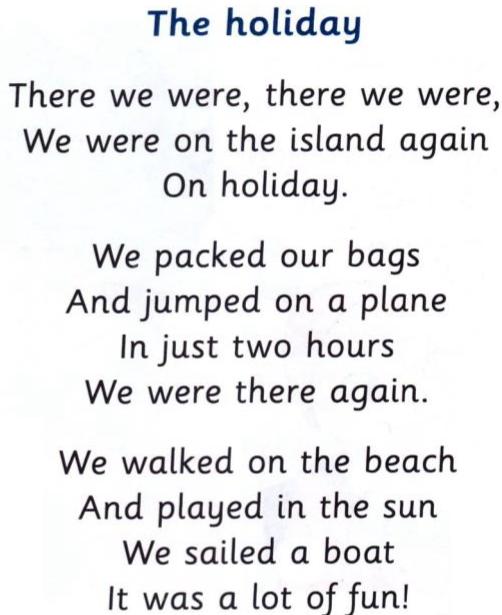
| pack | put clothes and things in a bag before a trip |
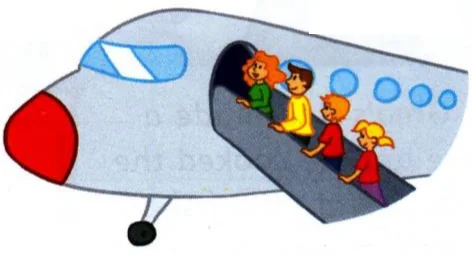
| plane | it flies in the sky; we jump on a plane to go far |
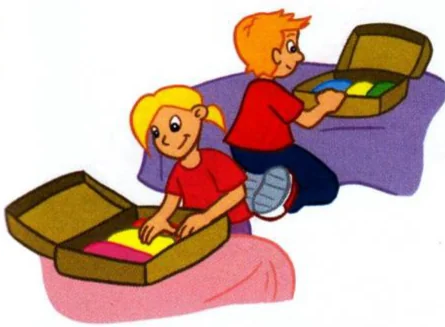
Song: The holiday
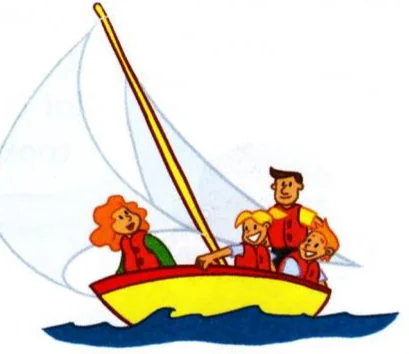
Get Smart Plus 3, p. 85.
Regular past verbs: add -ed
| Now | Past (yesterday, last week) | Example |
|---|---|---|
| pack | packed | We packed our bags. |
| jump | jumped | We jumped on a plane. |
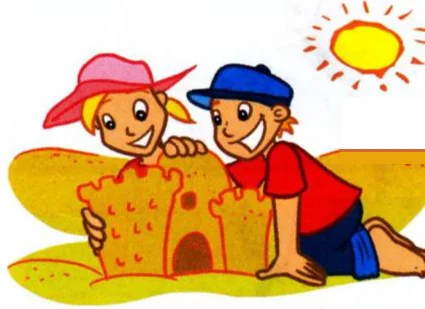
| walk | walked | We walked on the beach. |
| play | played | On my holiday I played on the beach. |
| sail | sailed | We sailed a boat. |
| watch / listen / climb | watched / listened / climbed | I listened to music. I climbed a tree. |
| pick / cook / look | picked / cooked / looked | We looked at the stars. |
Show answerHide answer
9.2What did you do at the weekend?
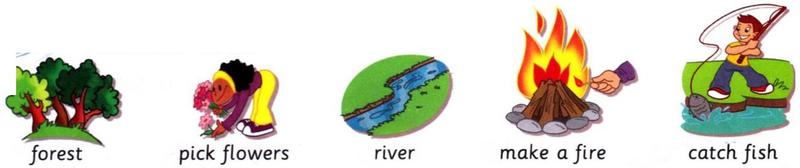
Get Smart Plus 3, p. 86.
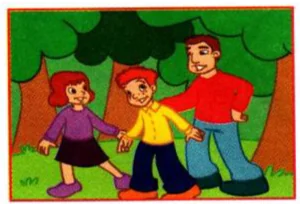
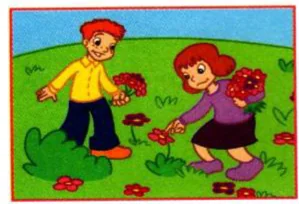
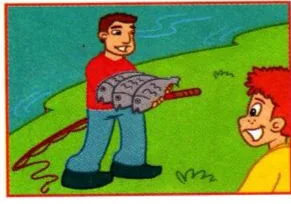
Smart kids story (p. 86). Anna tells her friend about the weekend. She and Greg went to the forest. Greg's dad took pictures. Anna swam in the river and Greg caught a big fish. Greg's dad made a fire and cooked the fish. It was delicious! Then they picked flowers, but they saw a lot of bees and… poor Greg!
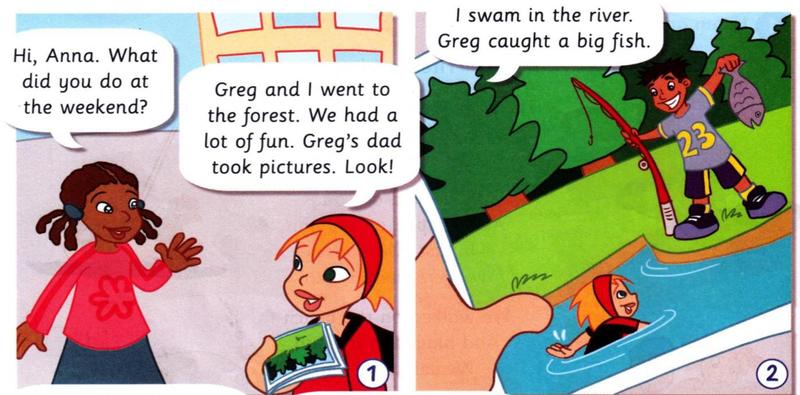
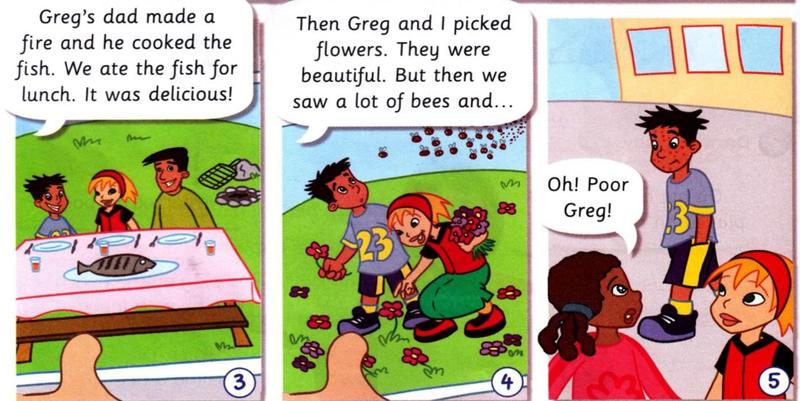
Get Smart Plus 3, p. 86.
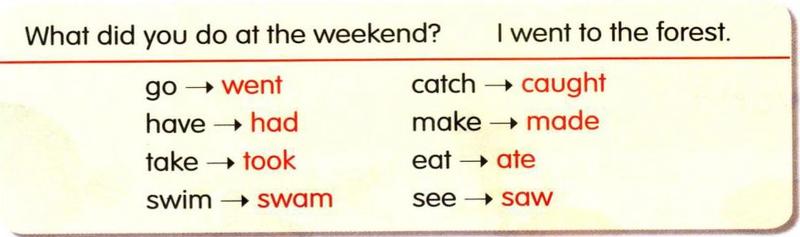
Irregular past verbs
Some verbs do not add -ed. They change. Learn them by heart!
Get Smart Plus 3, p. 87.
| Now | Past | Now | Past |
|---|---|---|---|
| go | went | catch | caught |
| have | had | make | made |
| take | took | eat | ate |
| swim | swam | see | saw |
| find | found | buy | bought |
| is / am | was | are | were |
Get Smart Plus 3, p. 87.
Asking about the weekend
| Question | Answer |
|---|---|
| What did you do at the weekend? | I went to the forest. |
| I went to the swimming pool. | |
| I played with friends. |
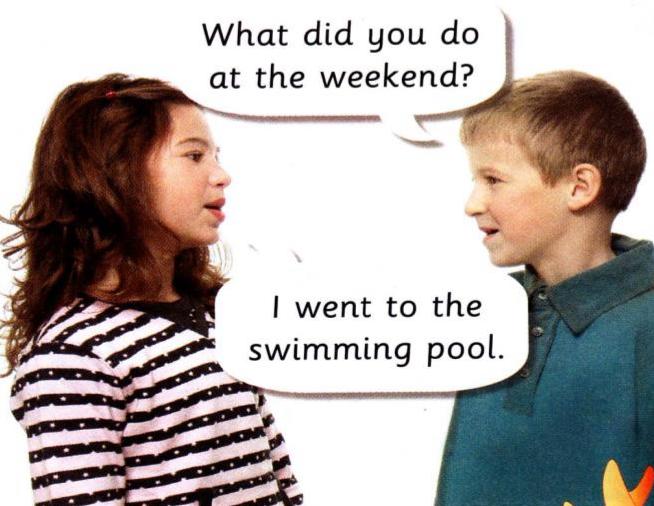
Get Smart Plus 3, p. 87.
Show answerHide answer
Show answerHide answer
9.3Katie's diary: did and didn't

Get Smart Plus 3, p. 88.
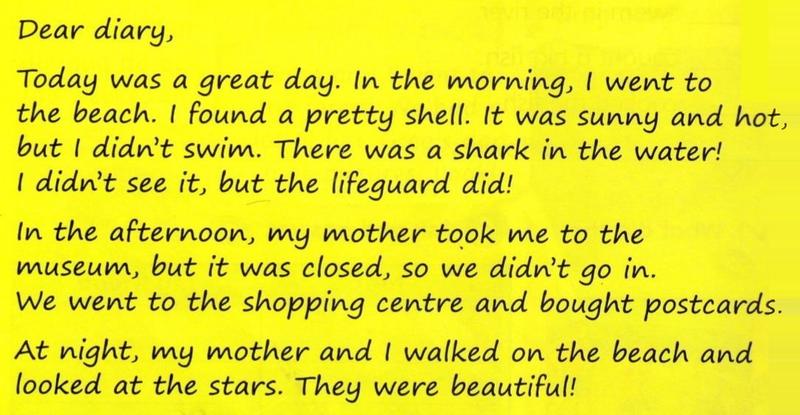
Get Smart Plus 3, p. 88.
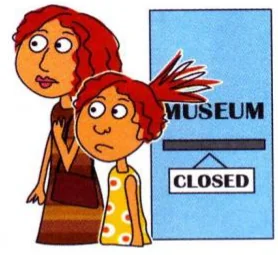
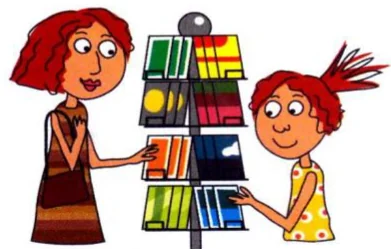
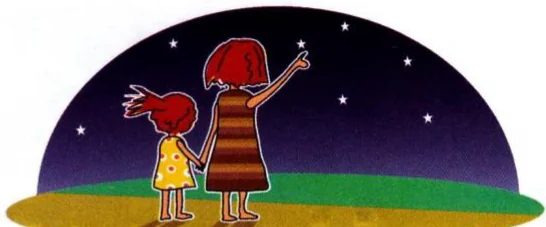
| When | What Katie did | What Katie didn't do |
|---|---|---|
| In the morning | went to the beach; found a pretty shell | didn't swim (there was a shark!) |
| In the afternoon | went to the shopping centre; bought postcards | didn't go in the museum (it was closed) |
| At night | walked on the beach; looked at the stars |
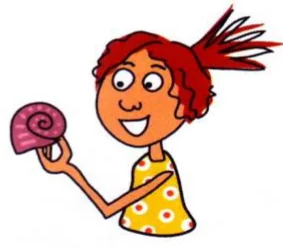
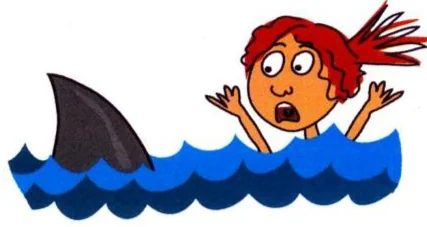
Get Smart Plus 3, p. 89.
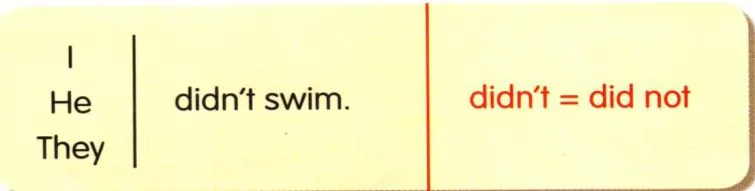
Saying no: didn't
Get Smart Plus 3, p. 89.
| Who | didn't | plain verb |
|---|---|---|
| I / You / He / She / We / They | didn't | swim. / go in. / buy postcards. |
She didn't go in the museum. She bought postcards.
Show answerHide answer
Show answerHide answer
9.4Did you…? Yes, I did. No, I didn't.
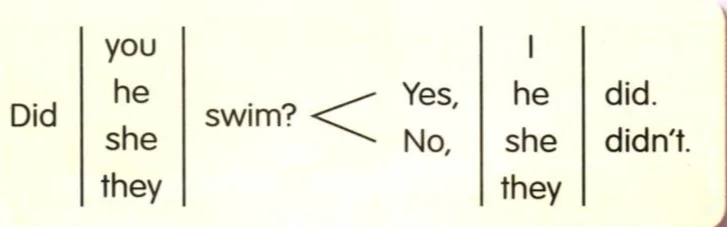
Get Smart Plus 3, p. 90.
| Question | Yes | No |
|---|---|---|
| Did you swim? | Yes, I did. | No, I didn't. |
| Did he go to the beach? | Yes, he did. | No, he didn't. |
| Did she go windsurfing? | Yes, she did. | No, she didn't. |
| Did they walk on the beach? | Yes, they did. | No, they didn't. |
Show answerHide answer
9.5Writing: My summer holiday
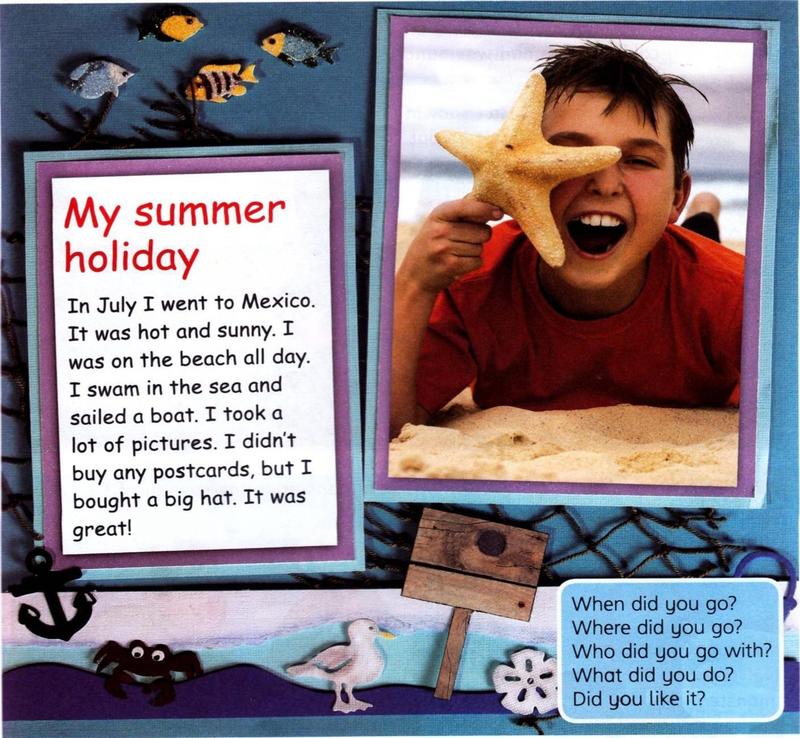
Get Smart Plus 3, Project, p. 91.
Plan your writing with these questions:
| Question | Tim's answer |
|---|---|
| When did you go? | In July. |
| Where did you go? | To Mexico. I was on the beach all day. |
| What was the weather like? | It was hot and sunny. |
| What did you do? | I swam in the sea and sailed a boat. I took a lot of pictures. |
| Did you like it? | It was great! |
Joining ideas: and, but
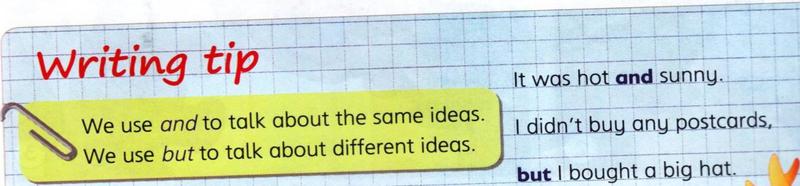
Get Smart Plus 3, p. 91.
| Word | Use it for | Example |
|---|---|---|
| and | the same kind of idea | It was hot and sunny. |
| but | a different idea | I didn't buy any postcards, but I bought a big hat. |
Show answerHide answer
9.6Story time: The Cub
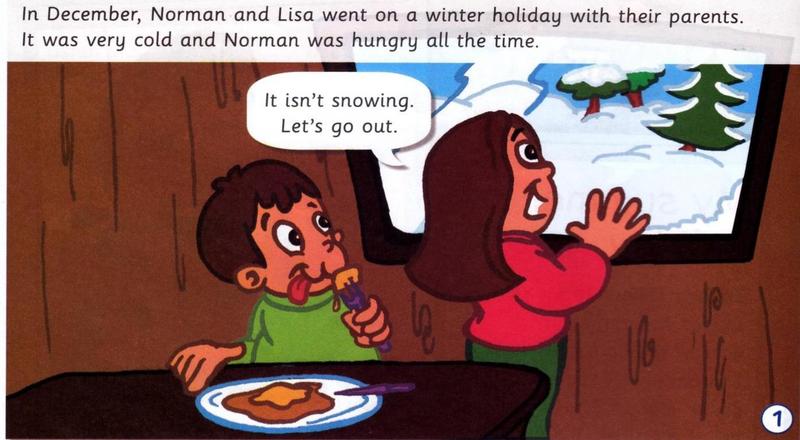
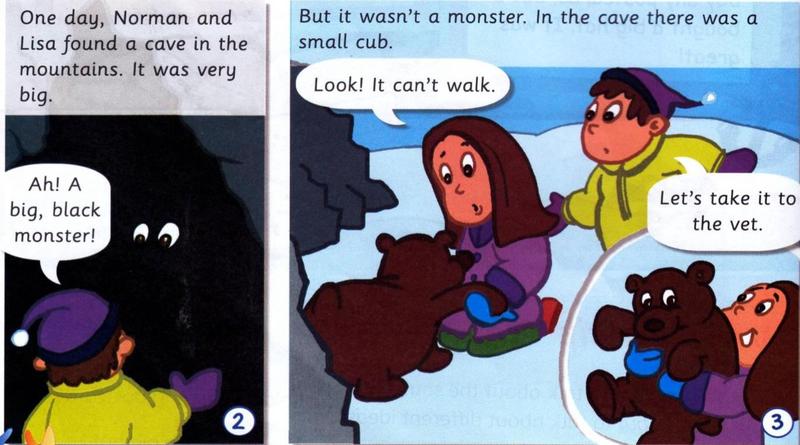
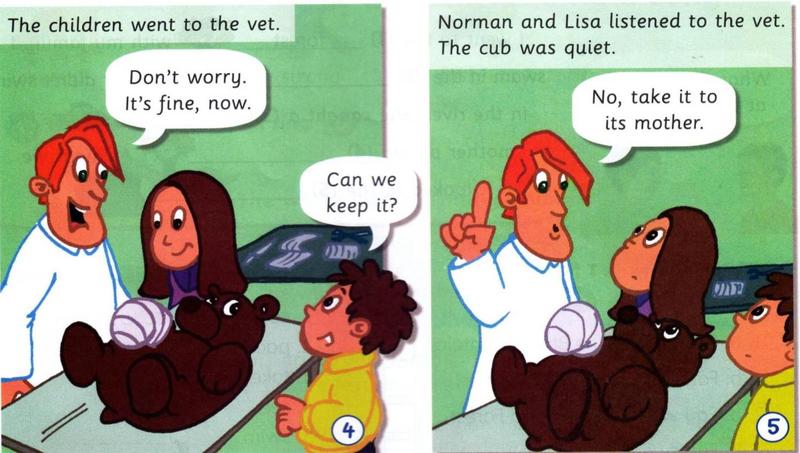
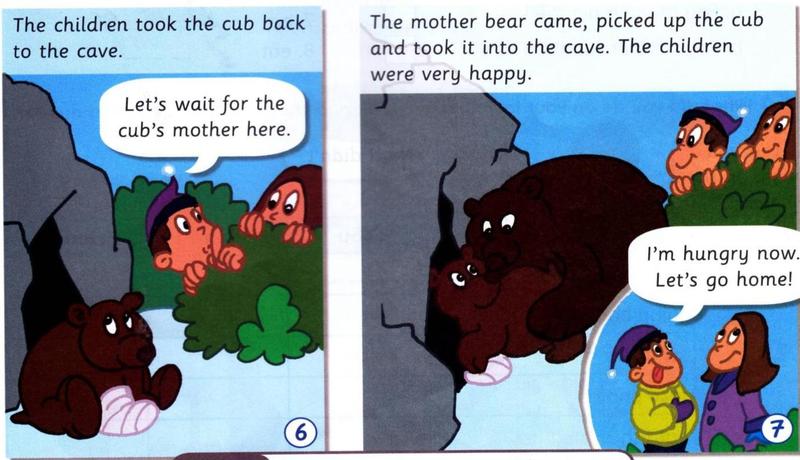
Get Smart Plus 3, pp. 92–93.
- In December, Norman and Lisa went on a winter holiday with their parents. It was very cold and Norman was hungry all the time.
- One day they found a big cave in the mountains. "Ah! A big, black monster!"
- But it wasn't a monster. It was a small cub (a baby bear). It couldn't walk. "Let's take it to the vet."
- The vet helped. "Can we keep it?" "No, take it to its mother."
- The children took the cub back to the cave and waited. The mother bear came and took the cub into the cave. The children were very happy.
Show answerHide answer
9.7Phonics: nd and nt
Some words end with two sounds together. Say them slowly and you can hear both letters.
| Letters | Sound | Words from the book | More words |
|---|---|---|---|
| nd | /nd/ | sand, pond | hand, bend, band |
| nt | /nt/ | plant, tent | ant, paint, went |
Show answerHide answer
Summary
- Holiday words: island, sea, sun, boat, plane, pack, beach, forest, river, mountains, cave, shell, postcards, stars.
- Regular past (-ed): packed, jumped, walked, played, sailed, picked, cooked, looked, watched, climbed.
- Irregular past: go → went, have → had, take → took, swim → swam, catch → caught, make → made, eat → ate, see → saw, find → found, buy → bought, is → was, are → were.
- "What did you do at the weekend?" "I went to the forest."
- didn't + plain verb: He didn't swim. (didn't = did not)
- "Did you swim?" "Yes, I did." / "No, I didn't."
- A diary starts with "Dear diary," and tells your day in the past tense.
- and joins the same ideas; but joins different ideas.
- Phonics: nd (sand, pond), nt (plant, tent).
- Value: be helpful and caring; respect and protect wild animals.