Sound
What this chapter covers
- You can explain how sound is produced by vibrations (6.1.1)
- {'You can name ways of producing sound': 'blowing, knocking, plucking, bowing and clapping (6.1.1)'}
- You can say that sound travels in all directions (6.1.2)
- You can explain that sound is reflected by a hard surface, and give examples such as echo, sonar and ultrasound (6.1.3)
- You can describe useful and harmful sounds and the unit of loudness, the decibel (6.1.4)
- You can suggest ways to reduce sound pollution (6.1.5)
Every day you hear voices, bells, horns and music. In this unit you will find out how sound is made, where it goes, and how we can use it and protect ourselves from too much of it.
6.1Sound
Vibrations and sound
Fariz and his friends play in the school band. Each instrument makes sound in its own way.
| Way of producing sound | Instrument | What vibrates |
|---|---|---|
| Blowing | Flute | The air inside the flute |
| Knocking | Xylophone | The bars |
| Plucking or bowing | Guitar, cello | The strings |
| Clapping | Cymbals | The cymbal pieces |
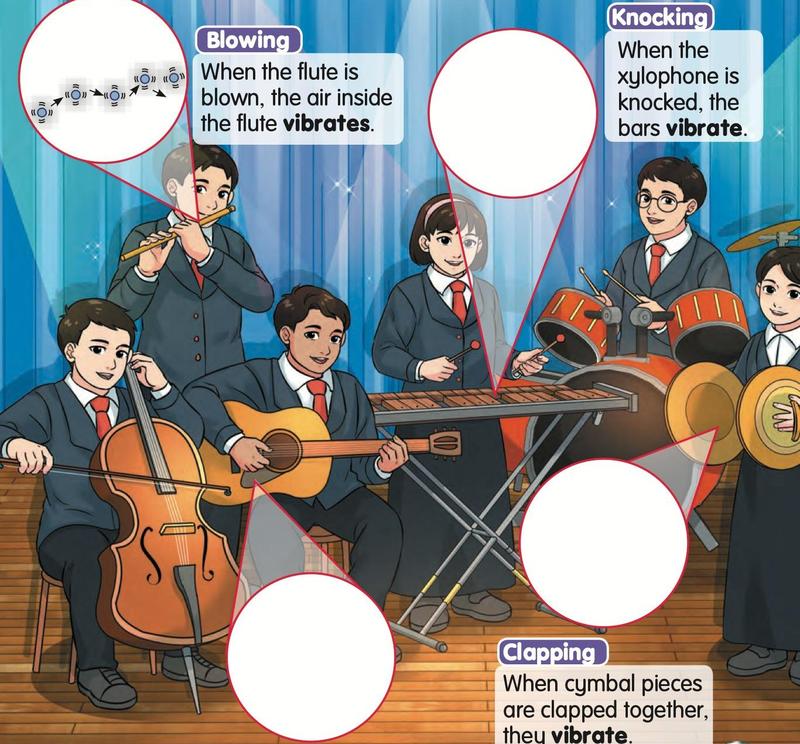
Figure: Science Year 4 (DLP), p.112.
Show answerHide answer
Sound travels
Fariz, Teruni and Mei Lan are at different places, but all three hear the bell of the ice cream seller. In school, pupils on the upper floor can hear the school bell too, because the sound goes in every direction, even upwards.
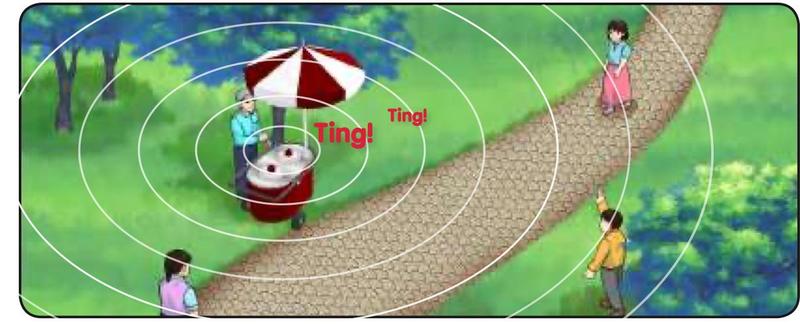
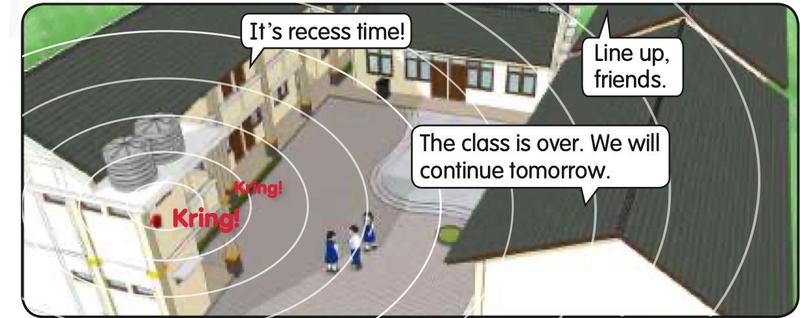
Figures: Science Year 4 (DLP), p.114.
Sound can be reflected
When Fariz speaks in an empty room, the sound hits the hard walls and comes back to him. So he hears his voice again. The same happens when you shout in a cave or an empty hall.
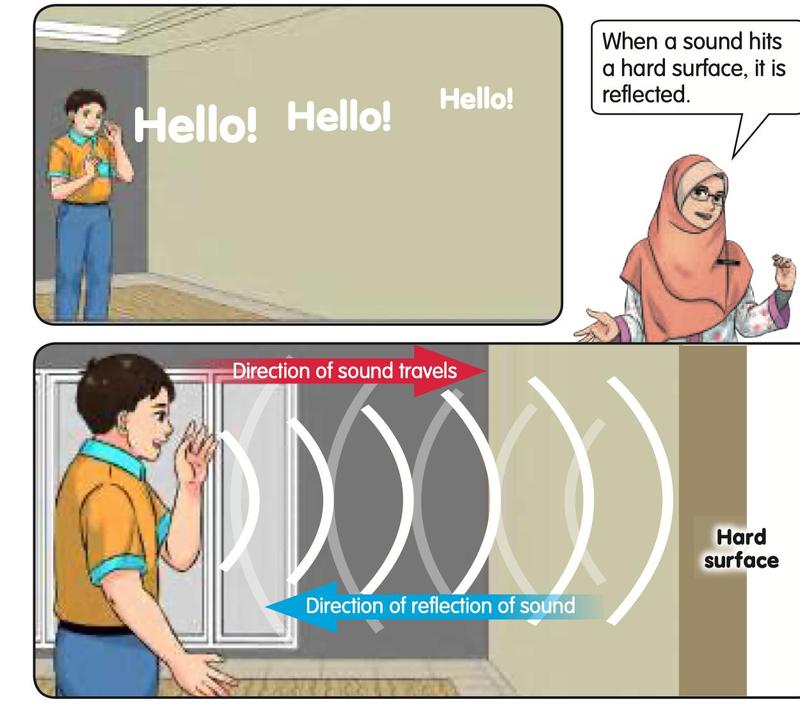
Figure: Science Year 4 (DLP), p.115.
Phenomena of reflection of sound
| Phenomenon | What it is |
|---|---|
| Echo | A sound heard again after it is reflected by a hard surface. |
| Ultrasound | Sound that humans cannot hear. Bats, dolphins and whales use it to find their way and to detect prey. Doctors use ultrasonic machines to see organs in the body or a baby in the womb. |
| Sonar | Technology that reflects ultrasonic sound to detect objects in water. |
Show answerHide answer
Useful and harmful sounds
| Use of sound | Example |
|---|---|
| Communication | People talk to each other. |
| Entertainment | Music from a guitar. |
| Emergency alert | The siren of an ambulance. |
| Notification | A phone rings for an incoming call. |
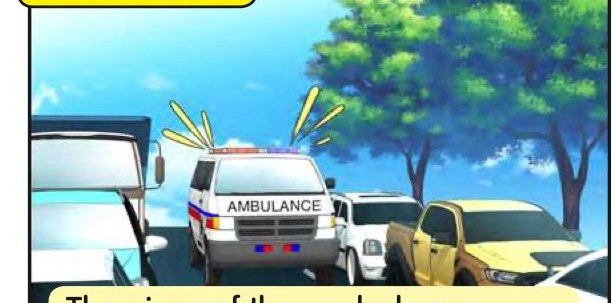
Some sounds are harmful. Loud or unwanted sound is called sound pollution. It can cause:
- problems in communication, because we cannot hear each other
- disturbance and stress
- hearing problems, if loud noise is frequent or too much
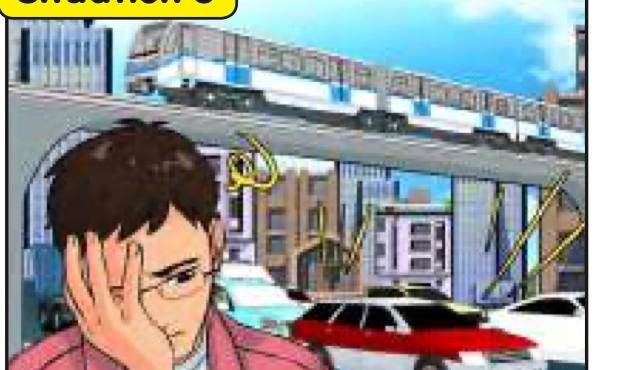
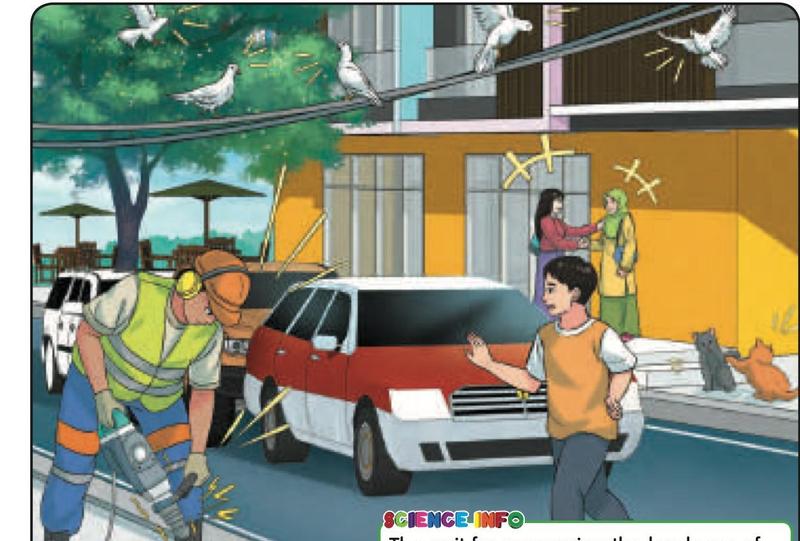
Figures: Science Year 4 (DLP), pp.118-119.
Reducing sound pollution
| Way | How it helps |
|---|---|
| Wear ear protectors | Airport ground staff wear them to protect their ears from aircraft noise. |
| Use sound absorbers | Carpets, curtains and windows reduce the vibration of sound, so less noise enters a room. |
| Plant trees | Trees reduce the noise from the road reaching homes. |
Show answerHide answer
Summary
- Sound is produced by vibrations.
- Sound is made by blowing, knocking, plucking, bowing and clapping.
- Sound travels in all directions and is reflected by hard surfaces (echo, sonar, ultrasound).
- Sound is used for communication, entertainment, emergency alert and notification.
- Sound pollution causes communication problems, disturbance, stress and hearing problems. Reduce it with ear protectors and sound absorbers.