Science questions, unit 6
Nama / NameKelas / ClassTarikh / Date
Heat
42 marks. Use Practice to check each answer as you go, or Exam to answer everything first. Ask a grown-up to help you mark the written answers.
Section A: objective questions
12 marksChoose the best answer for each question.
1
Question 1
Heat is a form of ______ that is transferred because of a difference in temperature.
Show answerHide answer
B
Heat is a form of energy. It is transferred when there is a difference in temperature.
2
Question 2
What is the standard unit for measuring temperature?
Show answerHide answer
D
Temperature is measured in degree Celsius, with the symbol °C, using a thermometer.
3
Question 3
Which statement describes temperature?
Show answerHide answer
A
Temperature is the degree of hotness or coldness of a material. Heat is the energy that is transferred.
4
Question 4
What is the normal body temperature of a healthy person?
Show answerHide answer
C
Normal body temperature is 37 °C. Water freezes at 0 °C and boils at 100 °C.
5
Question 5
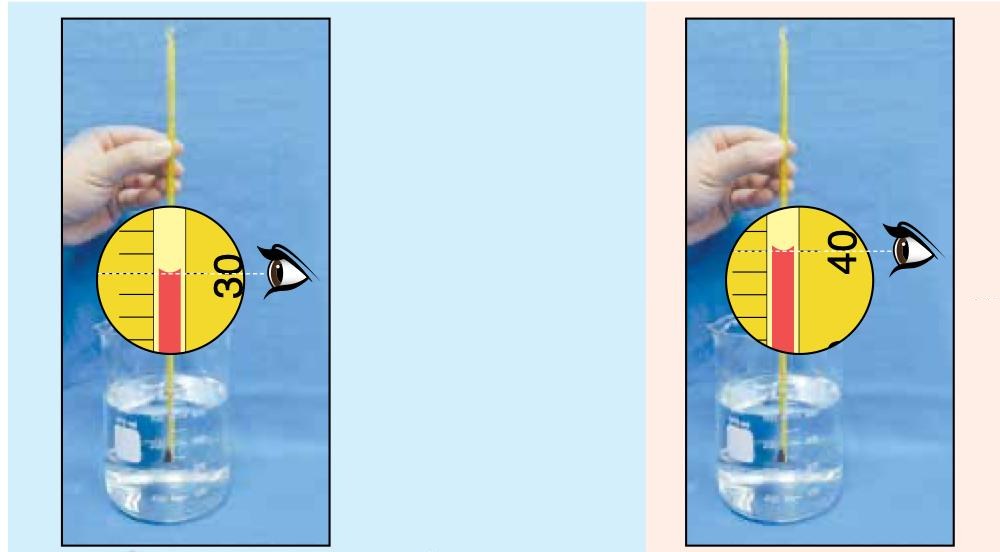
Diagram 1 shows the liquid level in a thermometer when the temperature of the surroundings decreases (left) and increases (right). Why does the liquid level rise when the temperature increases?
Show answerHide answer
B
The liquid gains heat and expands, so its level rises. When it loses heat it contracts and the level falls.
6
Question 6
Siti measures the temperature of water in a beaker. Which is the correct way to use the thermometer?
Show answerHide answer
D
The bulb must not touch the bottom of the beaker, the thermometer must not be used for stirring, and the reading is taken when the liquid level is constant.
7
Question 7
What is the meniscus level in a thermometer?
Show answerHide answer
A
The meniscus level is the curved level of the liquid in the glass tube of a thermometer. The eye must be level with it when the temperature is read.
8
Question 8
What is the freezing point of water?
Show answerHide answer
C
The freezing point of water is 0 °C. The boiling point is 100 °C.
9
Question 9
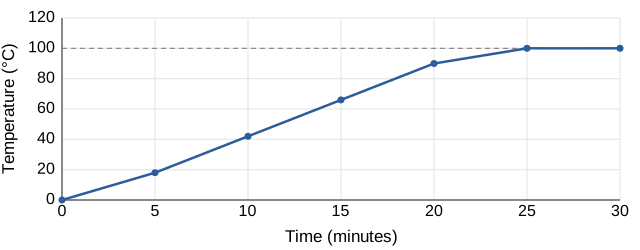
Diagram 3 shows the temperature of ice that is heated until the water boils. At which minute does the water first reach its boiling point?
Show answerHide answer
D
The temperature reaches 100 °C, the boiling point of water, at 25 minutes. After that it stays at 100 °C.
10
Question 10
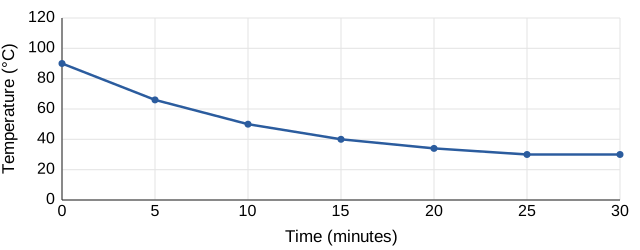
Diagram 4 shows the temperature of a beaker of hot water left in a room. What is the room temperature?
Show answerHide answer
C
Hot water loses heat until its temperature equals the room temperature, then it stays constant. The line is constant at 30 °C.
11
Question 11
A metal ball passes through a ring easily. After it is heated for three minutes, it cannot pass through the ring. What is the reason?
Show answerHide answer
A
The ball gained heat from the Bunsen burner and expanded, so it became too big for the ring.
12
Question 12
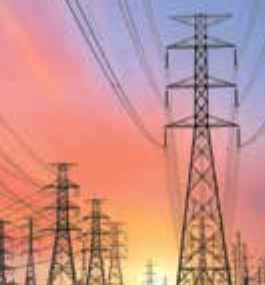
Why are electric cables hung loosely between the electric poles?
Show answerHide answer
B
Cables contract when they lose heat. If they were tight they could snap, so they are hung loosely.
Section B: structured questions
30 marksAnswer all questions. Circle the answer or write it in the space.
13
Question 13
Ana is drinking a hot drink. After a while the drink becomes cold.
[2 marks]
(a)What is the meaning of heat?
Show answerHide answer
Tick each point you got.
[1 mark]
(b)What is the meaning of temperature?
Show answerHide answer
Tick each point you got.
[1 mark]
(c)The drink became cold because it ______ heat to the surroundings.
Show answerHide answer
lost
A material becomes colder when it loses heat.
14
Question 14
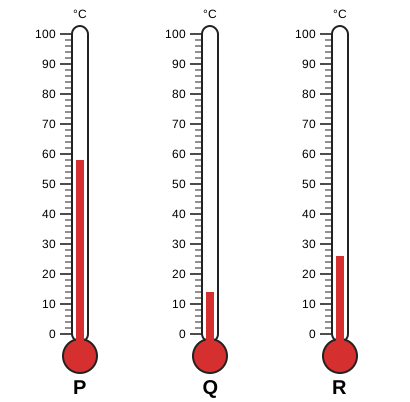
Hasnah measures the temperature of three samples of water: cold water, tap water and hot water. Diagram 6 shows the thermometers P, Q and R.
[1 mark]
(a)What is the reading of thermometer P?
Show answerHide answer
Tick each point you got.
[1 mark]
(b)What is the reading of thermometer Q?
Show answerHide answer
Tick each point you got.
[1 mark]
(c)The tap water is at 26 °C. Which thermometer shows the tap water?
Show answerHide answer
R
R shows 26 °C.
[1 mark]
(d)How many degrees hotter is P than Q?
Show answerHide answer
Tick each point you got.
15
Question 15
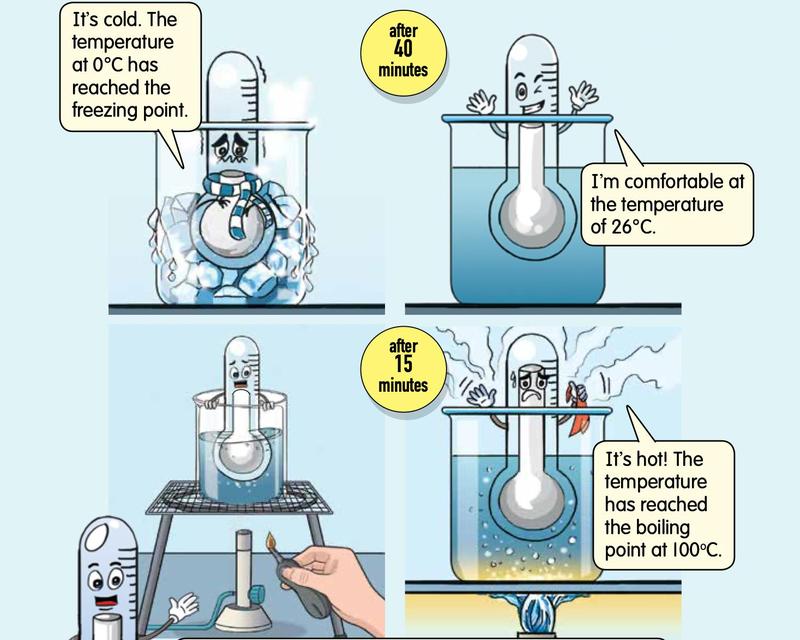
Diagram 7 shows the story of Mr Thermometer. The thermometer is put in ice, then in water that has warmed to room temperature, and then in water that is heated until it boils.
[1 mark]
(a)What is the temperature of the water after 40 minutes, when it has warmed up?
Show answerHide answer
Tick each point you got.
[1 mark]
(b)By how many degrees does the temperature rise from the warm water to the boiling water?
Show answerHide answer
Tick each point you got.
[1 mark]
(c)State the relationship between the heating time and the temperature of the water.
Show answerHide answer
Tick each point you got.
16
Question 16
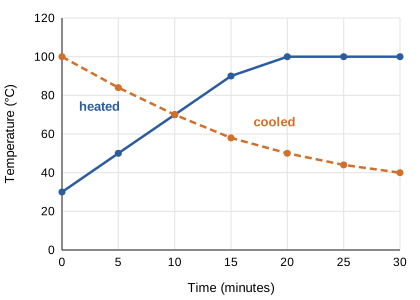
Diagram 8 shows the temperature of water that is heated and the temperature of water that is cooled.
[1 mark]
(a)What is the trend of change of the temperature as the water is cooled?
Show answerHide answer
Tick each point you got.
[1 mark]
(b)What is the boiling point of the water in the graph?
Show answerHide answer
Tick each point you got.
[1 mark]
(c)At which minute does the heated water reach its boiling point?
Show answerHide answer
Tick each point you got.
[2 marks]
(d)At which minute is the temperature of the heated water the same as the cooled water? What is that temperature?
Show answerHide answer
Tick each point you got.
[1 mark]
(e)What hypothesis can you make from the trend of the heated water?
Show answerHide answer
Tick each point you got.
17
Question 17
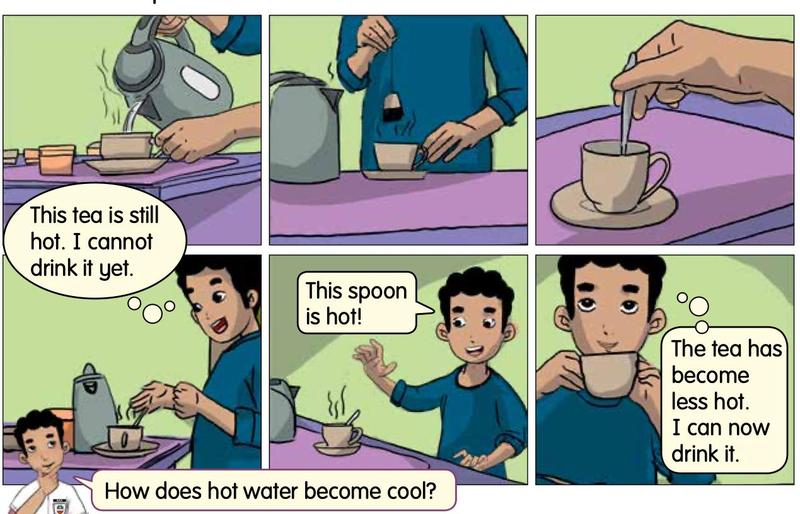
Diagram 9 shows a boy with a cup of hot tea. He stirs it with a metal spoon and the spoon becomes hot.
[2 marks]
(a)Why does the metal spoon become hot?
Show answerHide answer
Tick each point you got.
[1 mark]
(b)The tea is left in the room for a long time. What will the temperature of the tea become?
Show answerHide answer
Tick each point you got.
18
Question 18
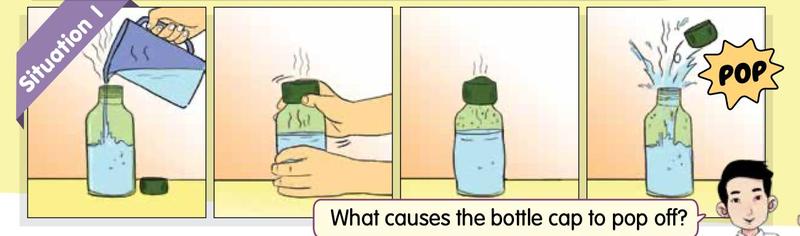
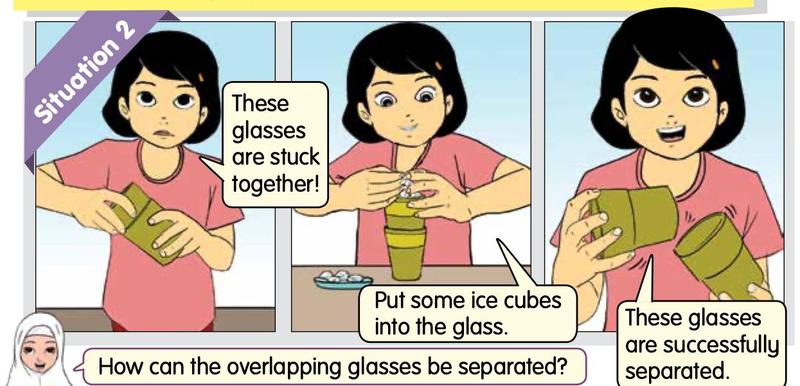
Melia pours hot water into a bottle and screws on the cap, as in Diagram 10. Later the cap pops off. In Diagram 11, ice cubes are put into the top glass of two stuck glasses and they come apart.
[2 marks]
(a)Why does the bottle cap pop off in Diagram 10?
Show answerHide answer
Tick each point you got.
[2 marks]
(b)Why can the glasses be separated in Diagram 11?
Show answerHide answer
Tick each point you got.
19
Question 19
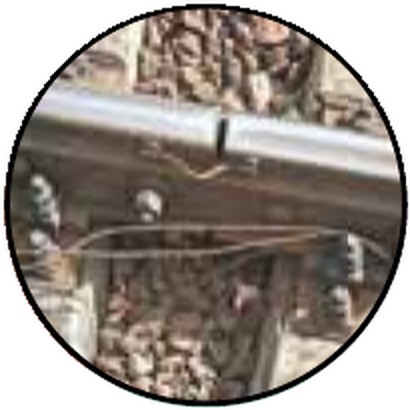
Diagram 12 shows a railway track with a gap between the connectors. Aiman says, "The workers made a mistake. They should fill the gaps with metal so that the track is one long piece."
[1 mark]
(a)Is Aiman correct?
Show answerHide answer
No
The gaps are made on purpose.
[2 marks]
(b)Explain why the gaps are left between the connectors.
Show answerHide answer
Tick each point you got.
20
Question 20
Hakim makes a handmade thermometer. He fills a plastic bottle with coloured water and fits a drinking straw through the cap, so that the water rises into the straw. He puts the bottle into a glass container of hot water and then into a glass container of ice.
[1 mark]
(a)Predict what happens to the level of the coloured water in the straw when the bottle is in the hot water.
Show answerHide answer
Tick each point you got.
[2 marks]
(b)Predict what happens to the level when the bottle is in the ice. Give a reason.
Show answerHide answer
Tick each point you got.