Technology
What this chapter covers
- You can explain what technology is and why humans need it (13.1.1)
- You can name tools that overcome the limits of our senses and body, such as the microscope, telescope, stethoscope and telephone (13.1.1)
- You can describe how technology has developed in agriculture, medicine, transport, communication and construction (13.1.2)
- You can give advantages and disadvantages of technology in daily life (13.1.3)
- You can explain why humans keep inventing new technology (13.1.4)
- You can make a simple telegraph machine and explain how it sends Morse code (8.2.6, 8.2.7)
Our senses and our bodies can only do so much. We cannot see germs, hear a faint heartbeat or run to another country in an hour. Technology helps us do these things. In this unit you will see what technology is, how it has grown in different fields, and what good and bad effects it can bring.
13.1Technology and its importance
Tools have been invented to help with each limitation of our senses and body.
| Human limitation | Invented equipment |
|---|---|
| Cannot see tiny objects and microorganisms | Microscope |
| Cannot see faraway objects, such as the Moon and planets | Telescope |
| Cannot speak loudly enough to be heard | Microphone and loudspeaker |
| Cannot hear sounds of very low frequency, such as a heartbeat | Stethoscope |
| Cannot talk to people far away | Telephone and mobile phone |
| Cannot move far in a short time | Land, water and air transport (car, ship, aeroplane) |
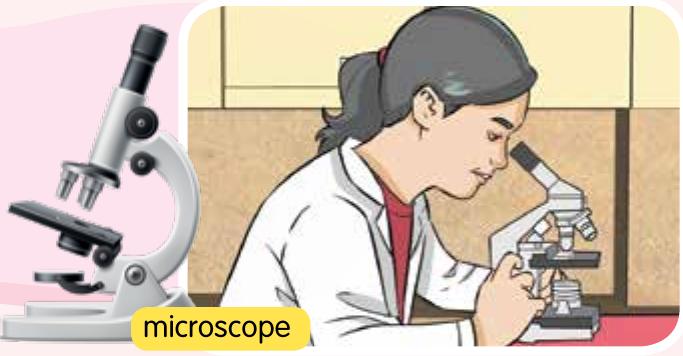
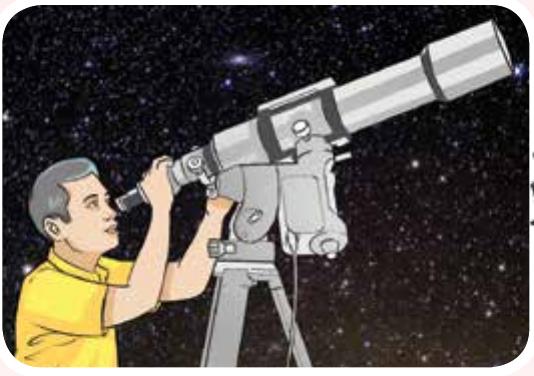
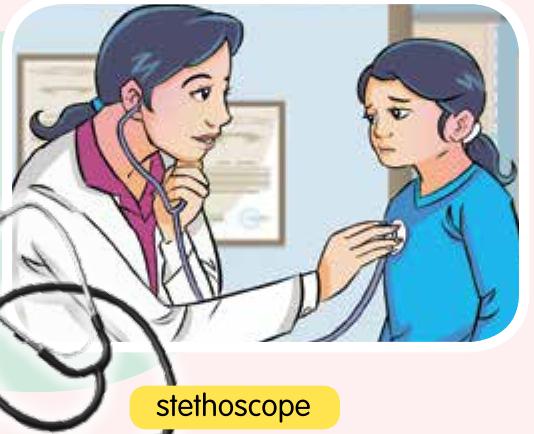
Show answerHide answer
13.2Development of technology in different fields
| Field | Examples of development | Benefit |
|---|---|---|
| Agriculture and farming | Drones that spray fertiliser and herbicide; automatic chicken feeders; research in sustainable farming and farm biotechnology | Saves time and workers; better crops and better feed; a steady food supply |
| Medicine | Electron microscope, ultrasound, X-ray and MRI machines; new medicines and vaccines | Doctors find diseases inside the body and in microorganisms; diseases are cured or prevented |
| Transport | Air: aeroplane, rocket. Land: LRT, bullet train. Sea: submarine, cruise ship | Faster travel, less traffic jam, space exploration, stronger defence, travel opportunities |
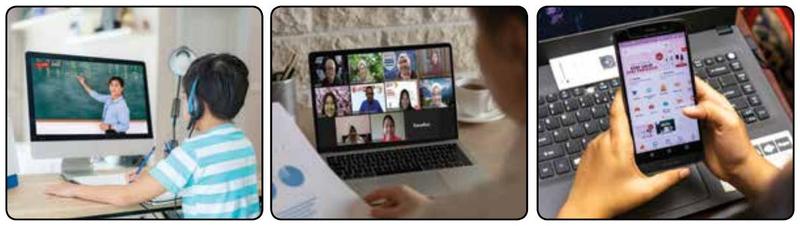
| Communication | Broadband and the Internet: online learning, online meetings, online shopping | Information reaches people quickly across borders |
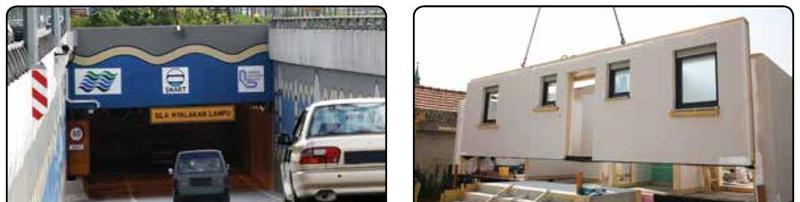
| Construction | SMART tunnel; prefabricated houses | Stronger, longer-lasting structures built faster and cheaper |
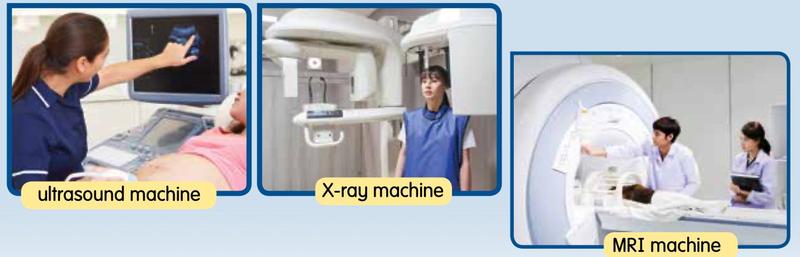
Show answerHide answer
13.3Advantages and disadvantages of technology
Most technology has a good side and a bad side. A fair answer gives both.
| Technology | Advantage | Disadvantage |
|---|---|---|
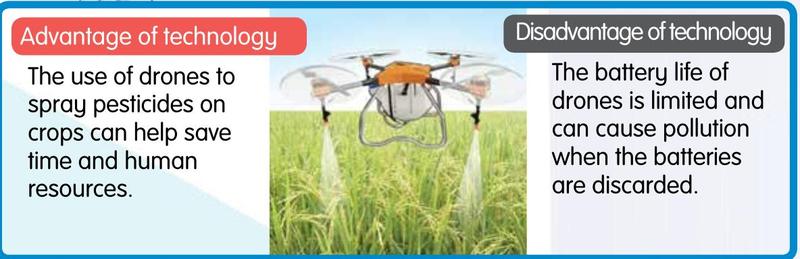
| Drones for spraying crops | Saves time and human resources | Short battery life; thrown-away batteries cause pollution and e-waste |
| Medicines | Treat patients and improve health | Abuse of medicines can cause addiction |
| Clearing forest for houses | Land for homes and buildings | Plants and animals are destroyed (deforestation) |
| Internet | Information spreads quickly with no limits | Personal data can be stolen and misused |
| More vehicles | Easier to move from place to place | Harmful gases cause air pollution |
Show answerHide answer
13.4Fun Science: a simple telegraph machine
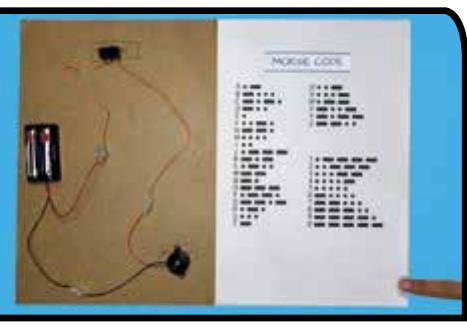
A telegraph sends messages as Morse code. You need two AA dry cells, a dry cell holder, a buzzer, a switch, connecting wires and a card base with a Morse code chart.
- Sketch where each part will go on the cardboard.
- Stick the dry cell holder, buzzer and switch down with a hot glue gun.
- Join the parts with connecting wires.
- Put the dry cells into the holder.
- Press and release the switch. A long buzz is a line (dash) and a short buzz is a dot in the Morse code chart.
Show answerHide answer
Pictures: Science Year 6 (DLP) textbook, pp. 212–213 (microscope, telescope, stethoscope), p. 215 (medical machines), p. 217 (communication and construction), p. 218 (drone), p. 220 (telegraph).