Food, please!
What this chapter covers
- I can name food and drinks, like onions, lettuce, flour, peppers, noodles and lemonade (vocabulary, pp. 55–59)
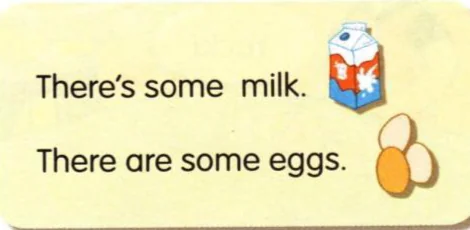
- I can say what food there is with "There's some milk." and "There are some carrots." (p. 55)
- I can ask and answer "Is there any cheese?" and "Are there any peppers?" (pp. 56–57)
- I can say where food comes from, like "Noodles come from China." (pp. 58–59)
- I can order food at a restaurant with "What would you like to drink?", "I'd like some water, please." and "Can I have some lemonade, please?" (p. 64)
- I can offer food politely with "Would you like some dessert?" and answer "Yes, please." or "No, thanks." (pp. 63–64)
- I can hear and say the three plural endings /s/ (caps), /z/ (eggs, tomatoes) and /ɪz/ (glasses) (Phonics, p. 110)
- I can read the story "The cooking competition" and learn that practice makes perfect (pp. 62–63)
- I can write a short paragraph about my favourite food using commas and "and"
Yummy! Module 6 is all about food. You will learn the names of food and drinks, say what is in the fridge, ask what is in an omelette, find out where food comes from and order food at a restaurant. Then you will read a story about a cooking competition.
6.1Sing a song: I'm hungry
Learn these food words first.
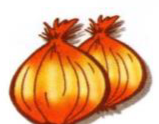 onions
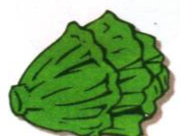 lettuce
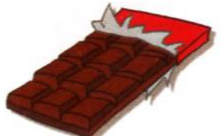 chocolate
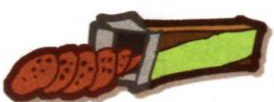 biscuits
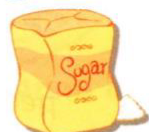 sugar
sugar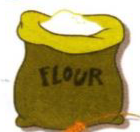 flour
flourGet Smart Plus 3, p. 55.
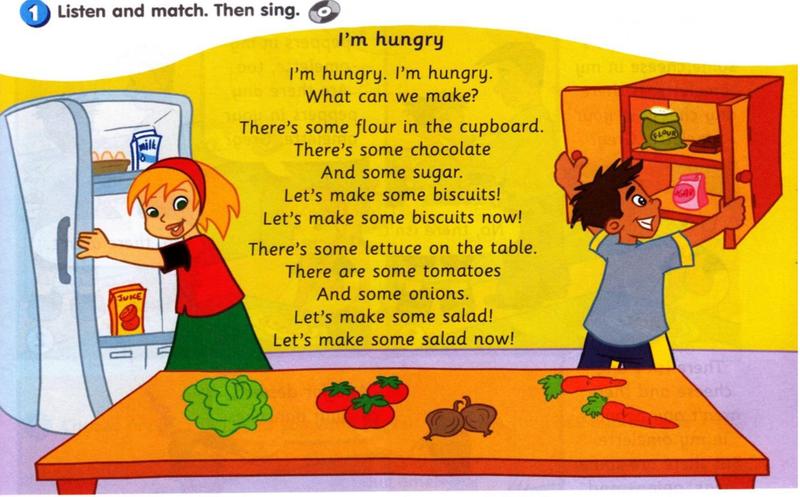
Get Smart Plus 3, p. 55.
Pattern: There's some … / There are some …
| Use | Pattern | Example from the book |
|---|---|---|
| food we cannot count (milk, flour, sugar, chocolate, lettuce, cheese) | There's some + word | There's some milk in the fridge. There's some flour in the cupboard. |
| more than one thing (carrots, eggs, tomatoes, onions) | There are some + words | There are some carrots on the table. There are some tomatoes. |
There's some lettuce, there are some tomatoes and some onions. Let's make some salad!
Show answerHide answer
6.2Smart kids: Is there any cheese?
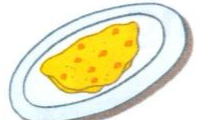 omelette
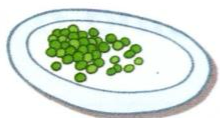 peas
peas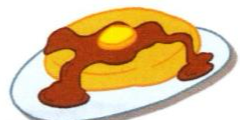 pancake
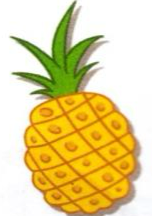 pineapple
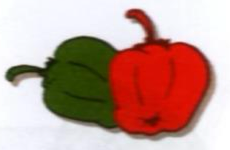 peppers
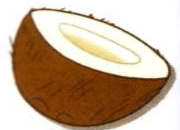 coconut
Get Smart Plus 3, p. 56.
Greg's dad makes omelettes. Anna's omelette has cheese and peppers. Greg's omelette has peas, onions and pineapple. Anna says "Yuck!" For dessert there are coconut pancakes. "Yummy!"
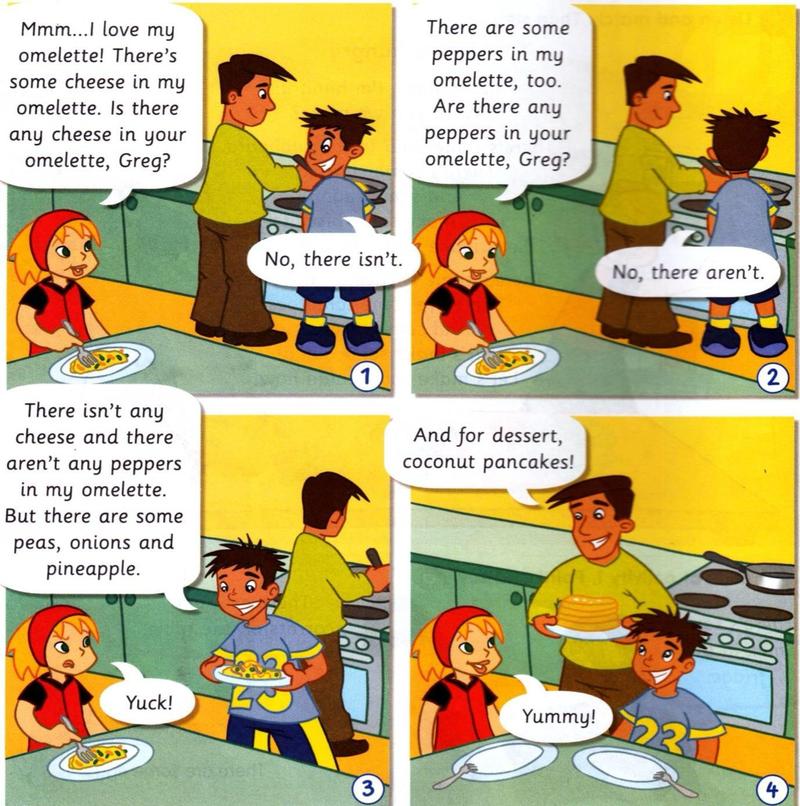
Get Smart Plus 3, p. 56.
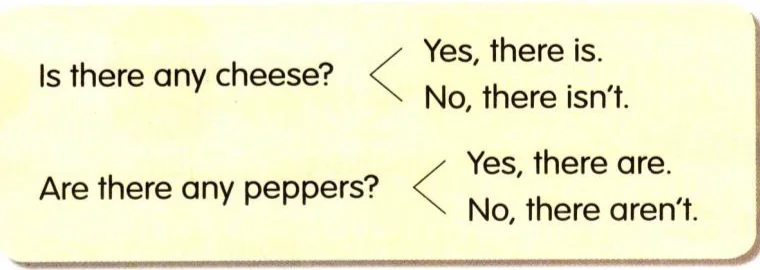
Pattern: Is there any …? / Are there any …?
| Question | Yes | No |
|---|---|---|
| Is there any cheese? | Yes, there is. | No, there isn't. |
| Are there any peppers? | Yes, there are. | No, there aren't. |
| Saying "no" in a sentence | Example from the book |
|---|---|
| There isn't any + word | There isn't any cheese in my omelette. |
| There aren't any + words | There aren't any peppers in my omelette. |
Show answerHide answer
6.3Our world: Street food
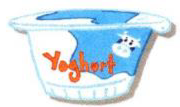 yoghurt
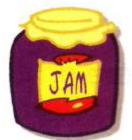 jam
jam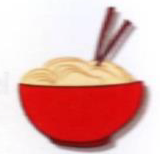 noodles
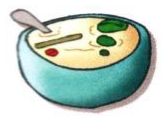 soup
soup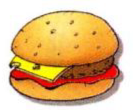 cheeseburger
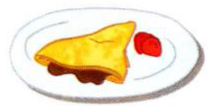 crepe
crepeGet Smart Plus 3, pp. 58–59.
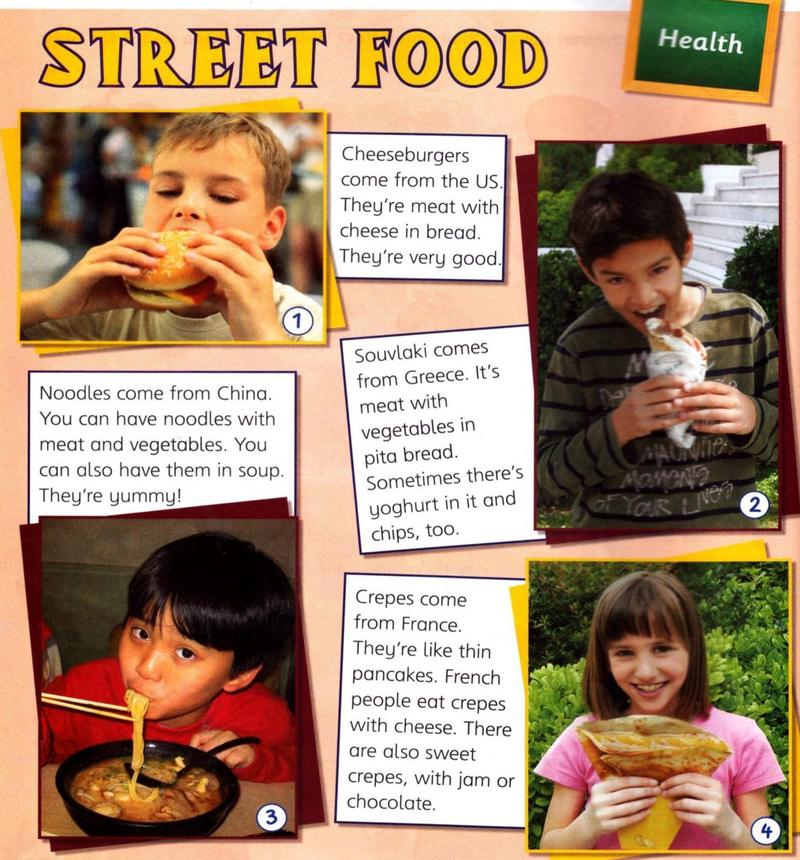
Get Smart Plus 3, p. 58 (Health).
| Food | Comes from | What is it? |
|---|---|---|
| cheeseburgers | the US | meat with cheese in bread |
| souvlaki | Greece | meat with vegetables in pita bread; sometimes yoghurt and chips too |
| noodles | China | with meat and vegetables, or in soup |
| crepes | France | like thin pancakes; with cheese, or sweet with jam or chocolate |
Pattern: … come(s) from …
| One food | Food with s (more than one) |
|---|---|
| Souvlaki comes from Greece. | Noodles come from China. |
| Nasi lemak comes from Malaysia. | Crepes come from France. |
Show answerHide answer
6.4At the restaurant: What would you like?
At a restaurant the waiter asks what you want. Answer politely with please and thanks.
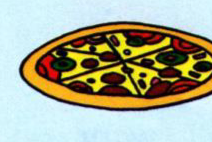 pizza
pizza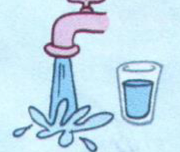 water
water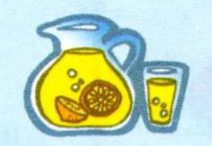 lemonade
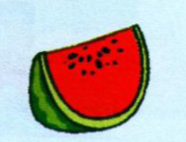 watermelon
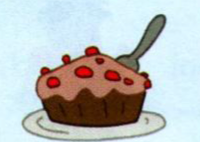 dessert
Get Smart Plus 3, Picture dictionary p. 122.
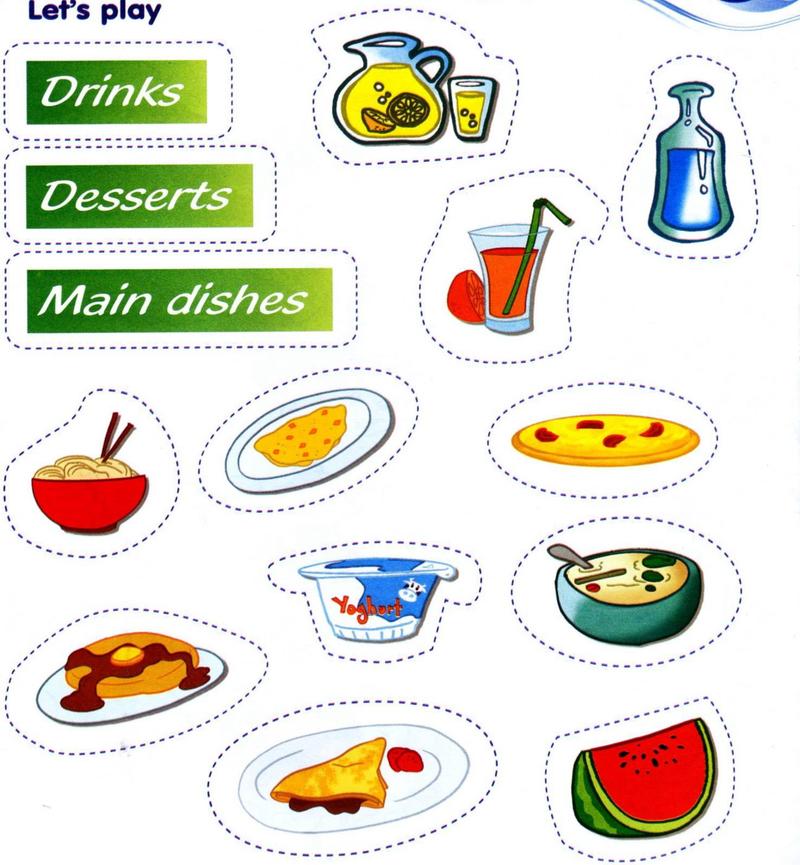
Get Smart Plus 3, Pictures 6, p. 129.
| Waiter asks | You answer |
|---|---|
| What would you like to eat? | I'd like an omelette, please. |
| What would you like to drink? | I'd like some water, please. / Some water, please. |
| Would you like some dessert? | Yes, please. / No, thanks. |
| You ask | Waiter answers |
| Can I have some lemonade, please? | Yes, of course. Here you are. |
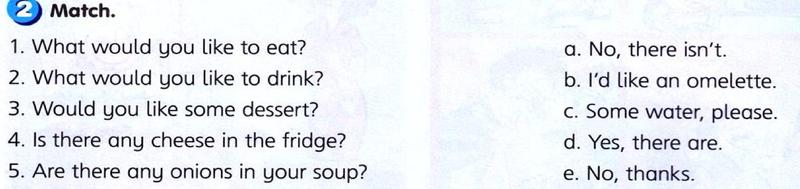
Get Smart Plus 3, p. 64.
Show answerHide answer
2 c (Some water, please.)
3 e (No, thanks.)
4 a (No, there isn't.)
5 d (Yes, there are.)
6.5Phonics: three sounds of s
When we add -s or -es to make "more than one", the end can sound three ways.
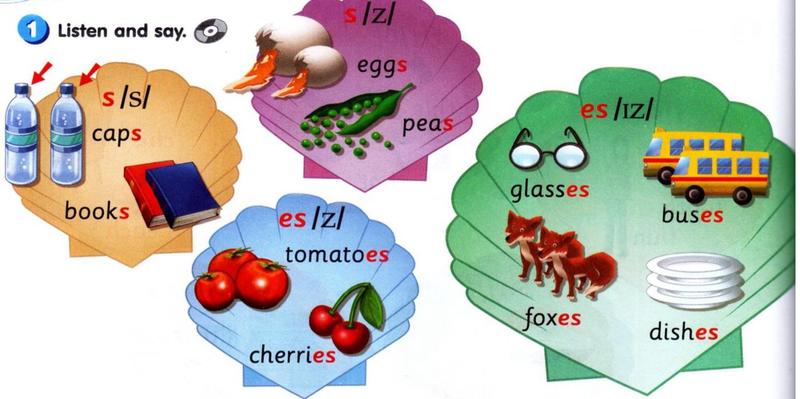
Get Smart Plus 3, Phonics p. 110.
| Sound | Sounds like | Example words |
|---|---|---|
| /s/ | a snake, "sss" | caps, books |
| /z/ | a bee, "zzz" | eggs, peas, tomatoes, cherries |
| /ɪz/ | an extra beat, "iz" | glasses, foxes, buses, dishes |
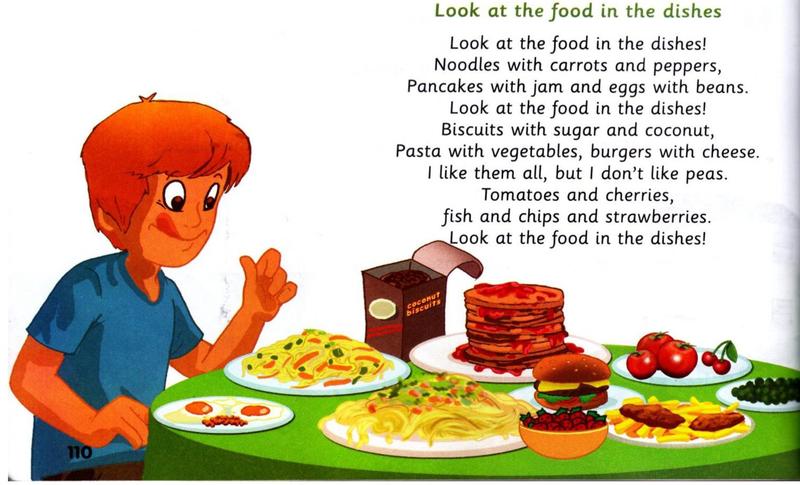
Get Smart Plus 3, p. 110.
Show answerHide answer
6.6Story time: The cooking competition
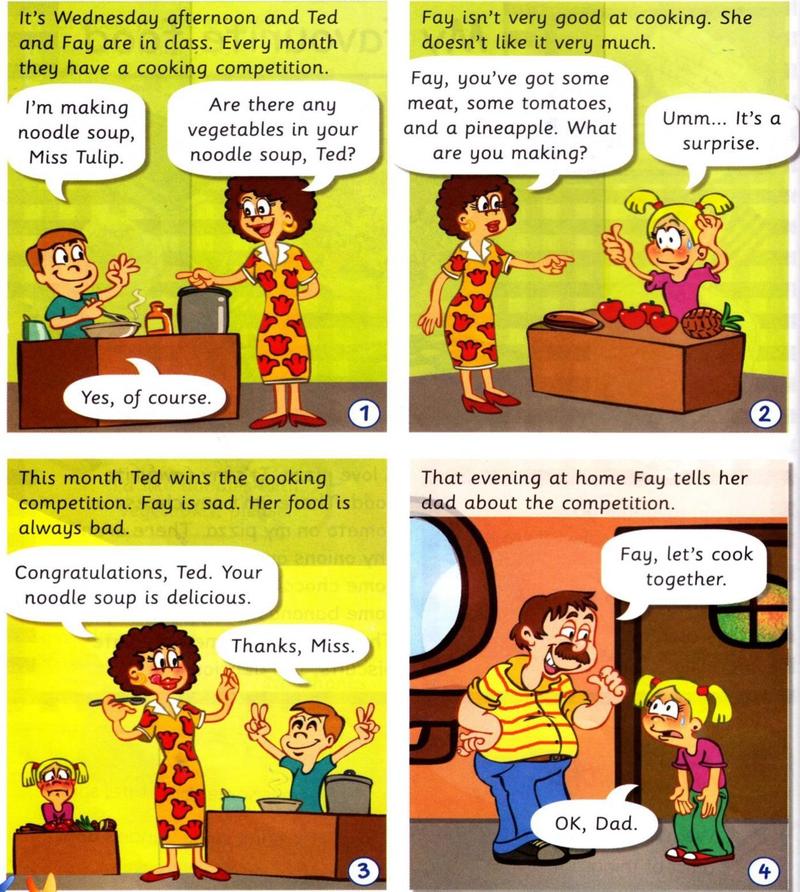
Get Smart Plus 3, p. 62.
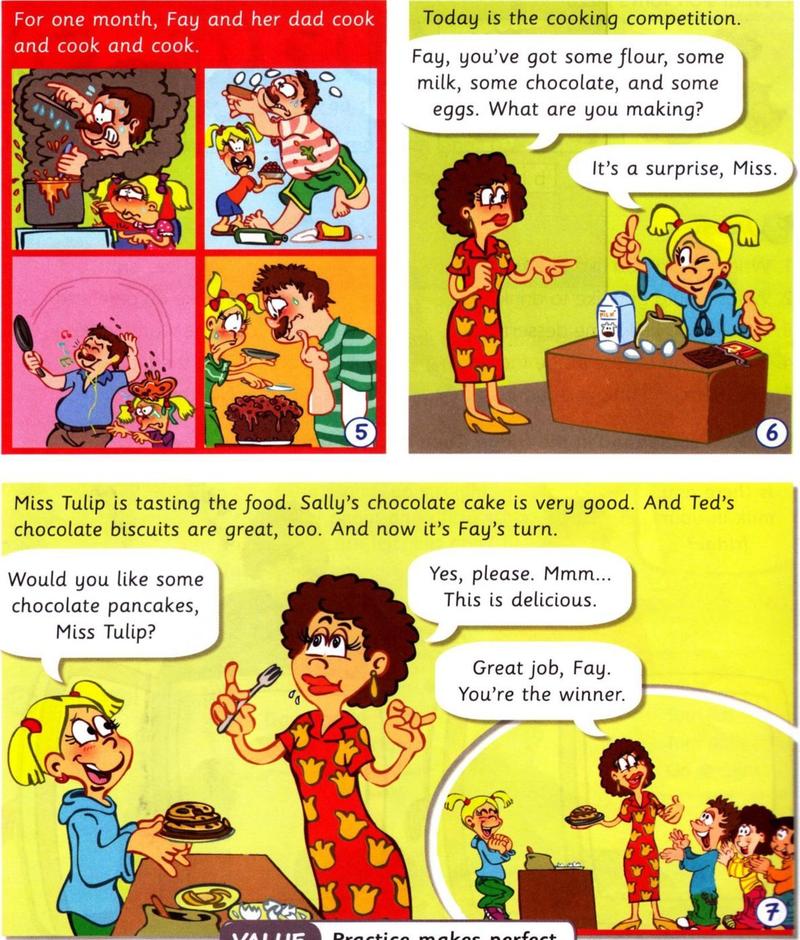
Get Smart Plus 3, p. 63.
- Every month Ted and Fay's class has a cooking competition. Ted makes noodle soup with vegetables.
- Fay isn't very good at cooking. She has got meat, tomatoes and a pineapple. "It's a surprise."
- Ted wins. His noodle soup is delicious. Fay is sad.
- At home, Dad says, "Fay, let's cook together."
- For one month, Fay and her dad cook and cook and cook.
- At the next competition Fay has got flour, milk, chocolate and eggs.
- "Would you like some chocolate pancakes, Miss Tulip?" "Yes, please. Mmm… This is delicious. Great job, Fay. You're the winner."
Show answerHide answer
6.7Writing: my favourite food
Use a comma (,) between things in a list, and put and before the last thing.
| Two things | Three or more things |
|---|---|
| noodles and soup | flour, milk, chocolate and eggs |
| cheese and peppers | peas, onions and pineapple |
Plan your paragraph: 1 What is your favourite food? 2 Where does it come from? 3 What is in it? 4 When do you eat it? 5 Why do you like it?
Home Science: a recipe
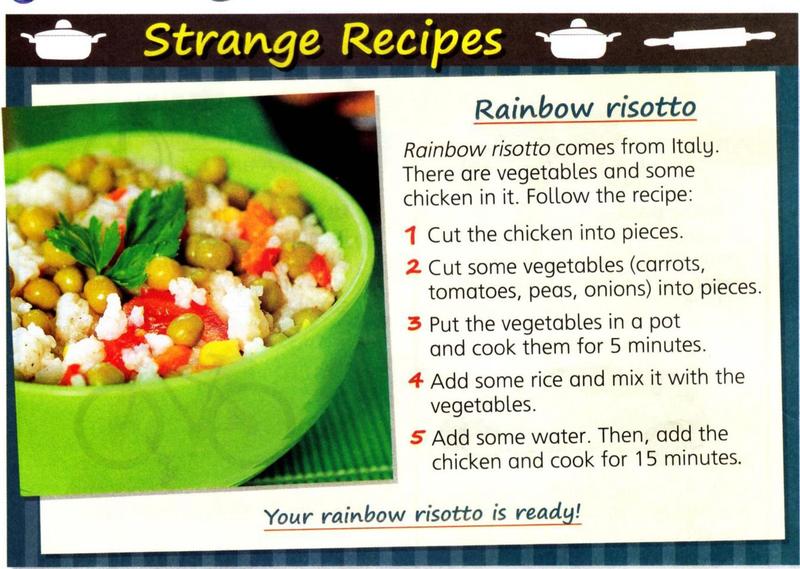
Get Smart Plus 3, CLIL 3, p. 117.
Show answerHide answer
Summary
| I want to … | I say … |
|---|---|
| say what there is | There's some milk. There are some carrots. |
| say what there isn't | There isn't any cheese. There aren't any peppers. |
| ask | Is there any cheese? Yes, there is. / No, there isn't. Are there any peppers? Yes, there are. / No, there aren't. |
| say where food comes from | Souvlaki comes from Greece. Noodles come from China. |
| order food | What would you like to drink? I'd like some water, please. Can I have some lemonade, please? |
| offer food | Would you like some dessert? Yes, please. / No, thanks. |
- Phonics: caps, books /s/; eggs, peas, tomatoes, cherries /z/; glasses, foxes, buses, dishes /ɪz/.
- Writing: commas between things in a list, and before the last one.
- Value: practice makes perfect.