myUASARevision for UASA
Science questions, unit 8

Acid and alkali

28 marks. Use Practice to check each answer as you go, or Exam to answer everything first.

Section A: objective questions

8 marks
Choose the best answer for each question.
1

Question 1

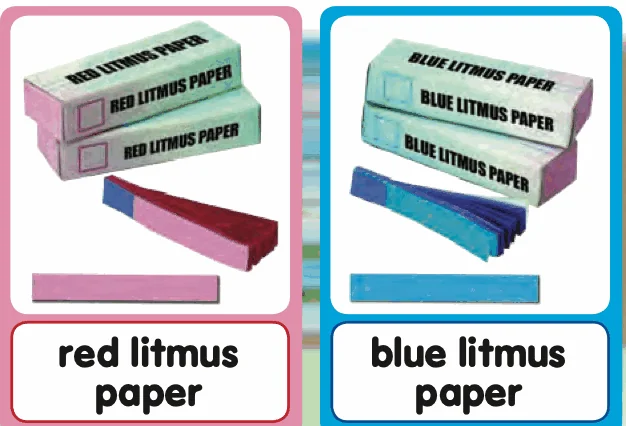
What are the two colours of litmus paper?
Show answerHide answer
A
Litmus paper has two colours: red and blue.
For the teacher: Remembering, low difficulty, standard 8.1.1
Textbook p. 106
2

Question 2

A drop of an acidic substance is put on blue litmus paper. What colour does the paper turn?
Show answerHide answer
B
An acidic substance turns blue litmus paper red.
For the teacher: Remembering, low difficulty, standard 8.1.1
Textbook p. 106
3

Question 3

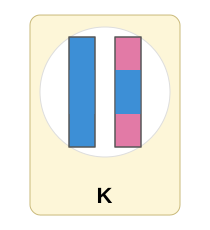
Diagram 1 shows blue and red litmus papers after a drop of substance K was put on them. What is the property of substance K?
Blue strip has no change; the middle of the red strip has turned blue
Diagram 1
Show answerHide answer
C
The blue strip did not change. The red strip turned blue. Red litmus turns blue only with an alkaline substance.
For the teacher: Understanding, medium difficulty, standard 8.1.1
Textbook p. 107
4

Question 4

Most acidic substances taste ______.
Show answerHide answer
D
Most acidic substances, like lime and tamarind, taste sour.
For the teacher: Remembering, low difficulty, standard 8.1.2
Textbook p. 109
5

Question 5

Soap feels slippery. It also turns red litmus paper blue. What is the property of soap?
Show answerHide answer
A
Red litmus paper turns blue only with an alkaline substance. Most alkaline substances also feel slippery. Soap is alkaline (textbook p. 113).
For the teacher: Understanding, low difficulty, standard 8.1.2
Textbook p. 109
6

Question 6

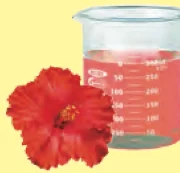
Diagram 2 shows an extract that can be used instead of litmus paper. Which plant is it made from?
A red flower next to a beaker of pinkish-red extract
Diagram 2
Show answerHide answer
B
This is a hibiscus (bunga raya) flower and its extract.
For the teacher: Remembering, low difficulty, standard 8.1.3
Textbook p. 112
7

Question 7

Which substance is neutral?
Show answerHide answer
C
Sugar solution is neutral. Tamarind is acidic. Soap and slaked lime are alkaline.
For the teacher: Applying, low difficulty, standard 8.1.4
Textbook p. 113
8

Question 8

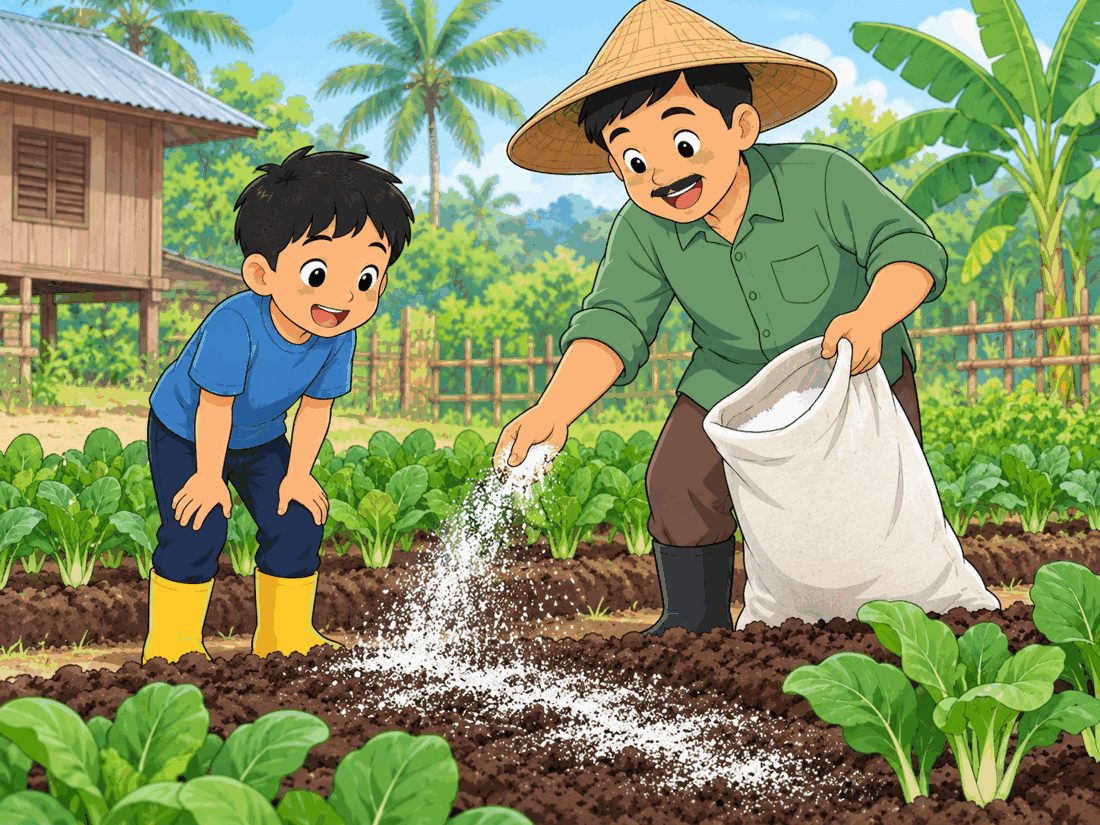
Diagram 3 shows a farmer sprinkling agricultural lime on the soil. Why does he do this?
A boy asks his father why he sprinkles agricultural lime on the soil
Diagram 3
Show answerHide answer
D
The soil is too acidic. Agricultural lime is alkaline, so it reduces the acidity of the soil.
For the teacher: Applying, medium difficulty, standard 8.1.4
Textbook p. 111

Section B: structured questions

20 marks
Answer all questions.
9

Question 9

Diagram 4 shows two types of litmus paper. Choose the correct colour change for each test.
Red litmus paper and blue litmus paper
Diagram 4
[1 mark] (a)An acidic substance is dropped on blue litmus paper.
Show answerHide answer
Changes to red
[1 mark] (b)An alkaline substance is dropped on red litmus paper.
Show answerHide answer
Changes to blue
[1 mark] (c)A neutral substance is dropped on blue litmus paper.
Show answerHide answer
No change
Neutral substances do not change either colour of litmus paper.
For the teacher: Remembering, low difficulty, standard 8.1.1
Textbook p. 113
10

Question 10

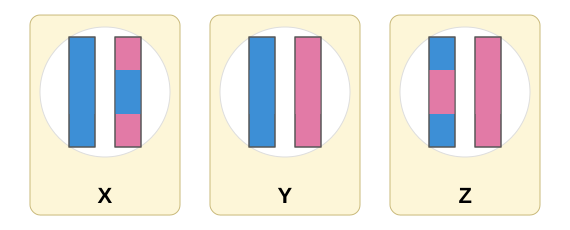
Diagram 5 shows the litmus papers after testing three substances, X, Y and Z. In each tile, the left strip was blue and the right strip was red.
X: red strip turned blue. Y: no change. Z: blue strip turned red.
Diagram 5
[1 mark] (a)What is the property of X?
Show answerHide answer
Alkaline
The red strip turned blue.
[1 mark] (b)What is the property of Y?
Show answerHide answer
Neutral
Neither strip changed.
[1 mark] (c)Give one example of a substance that could be Z.
Show answerHide answer
Z turned the blue strip red, so Z is acidic.
Tick each point you got.
For the teacher: Understanding, low difficulty, standard 8.1.1
Textbook p. 114
11

Question 11

Siti tested these substances with litmus paper. Classify each substance as acidic, alkaline or neutral.
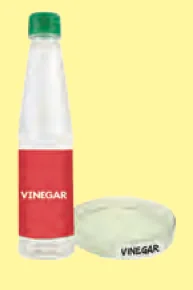
[1 mark] (a)Vinegar
Bottle of vinegar
Vinegar
Show answerHide answer
Acidic
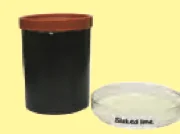
[1 mark] (b)Slaked lime solution
Container of slaked lime
Slaked lime
Show answerHide answer
Alkaline
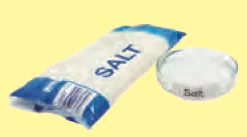
[1 mark] (c)Salt solution
Packet of salt
Salt
Show answerHide answer
Neutral
For the teacher: Applying, low difficulty, standard 8.1.4
Textbook p. 108
12

Question 12

Puan Farah wants to cook asam pedas, but she has no tamarind left. The table shows two fruits and their effect on litmus paper.
FruitChange in litmus paper
JBlue → red
KRed → blue
[1 mark] (a)State the taste of fruit J.
Show answerHide answer
J turns blue litmus red, so J is acidic. Most acidic substances taste sour.
Tick each point you got.
[1 mark] (b)Tamarind is acidic. Which fruit can Puan Farah use instead of tamarind?
Show answerHide answer
J
J is acidic, like tamarind. K is alkaline.
For the teacher: Applying, medium difficulty, standard 8.1.2
Textbook p. 109
13

Question 13

Amar tested bitter gourd (peria). His results are in the table.
TasteBitter
TouchSlippery
Blue litmus paperChanges to red
Red litmus paperNo change
[1 mark] (a)What is the property of bitter gourd?
Show answerHide answer
Acidic
Blue litmus paper turned red.
[2 marks] (b)Amar's friend says, "Bitter gourd is alkaline because it tastes bitter." Is his friend right? Explain.
Show answerHide answer
No. Taste is not a scientific indicator. Litmus paper shows bitter gourd is acidic.
Tick each point you got.
For the teacher: Evaluating, high difficulty, standard 8.1.2
Textbook p. 114
14

Question 14

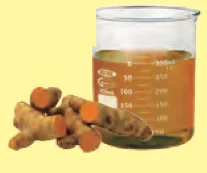
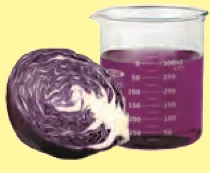
Aishah has no litmus paper. She makes three plant extracts, P, Q and R, shown in Diagram 6.
Turmeric and its yellow extract
P
Purple cabbage and its purple extract
Q
Hibiscus flower and its pink extract
R
[1 mark] (a)What is extract P made from?
Show answerHide answer
Tick each point you got.
[1 mark] (b)Aishah adds a drop of each extract to lime juice and to soap water. One extract stays the same colour in lime juice but changes colour in soap water. Which extract is it?
Show answerHide answer
P
Turmeric (P) is only affected by alkaline substances: it stays yellow in acid and turns reddish-brown in alkali. Purple cabbage and hibiscus change colour with both.
For the teacher: Analysing, medium difficulty, standard 8.1.3
Textbook p. 112
15

Question 15

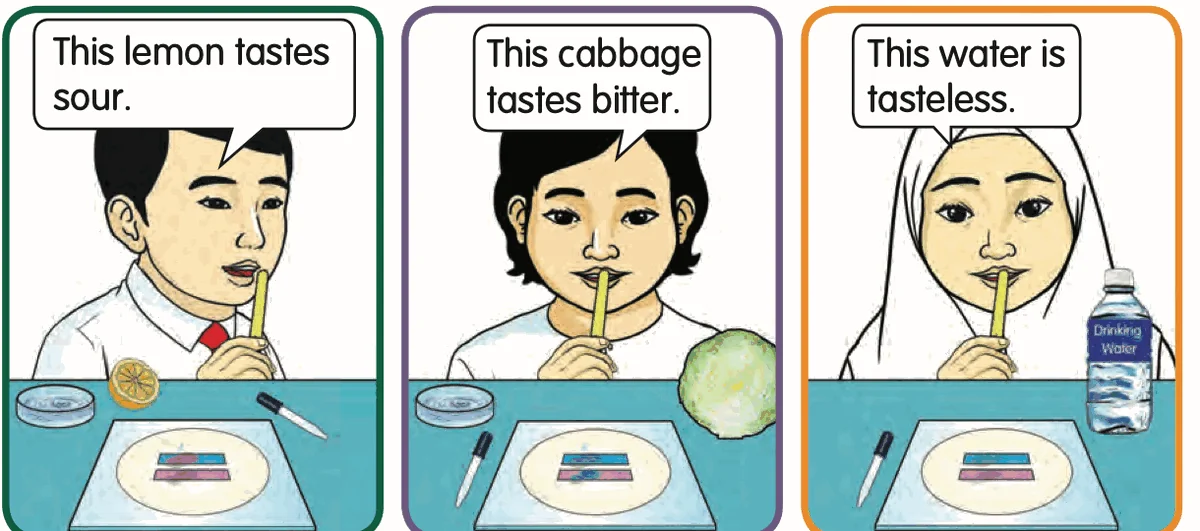
Diagram 7 shows pupils testing substances with their sense of taste. Are these statements true or false?
Pupils tasting lemon, cabbage and water
Diagram 7
[1 mark] (a)Most alkaline substances taste bitter.
Show answerHide answer
True
[1 mark] (b)Taste and touch are scientific indicators.
Show answerHide answer
False
Coffee tastes bitter but it is acidic, so taste can give the wrong answer.
For the teacher: Understanding, low difficulty, standard 8.1.2
Textbook p. 109
16

Question 16

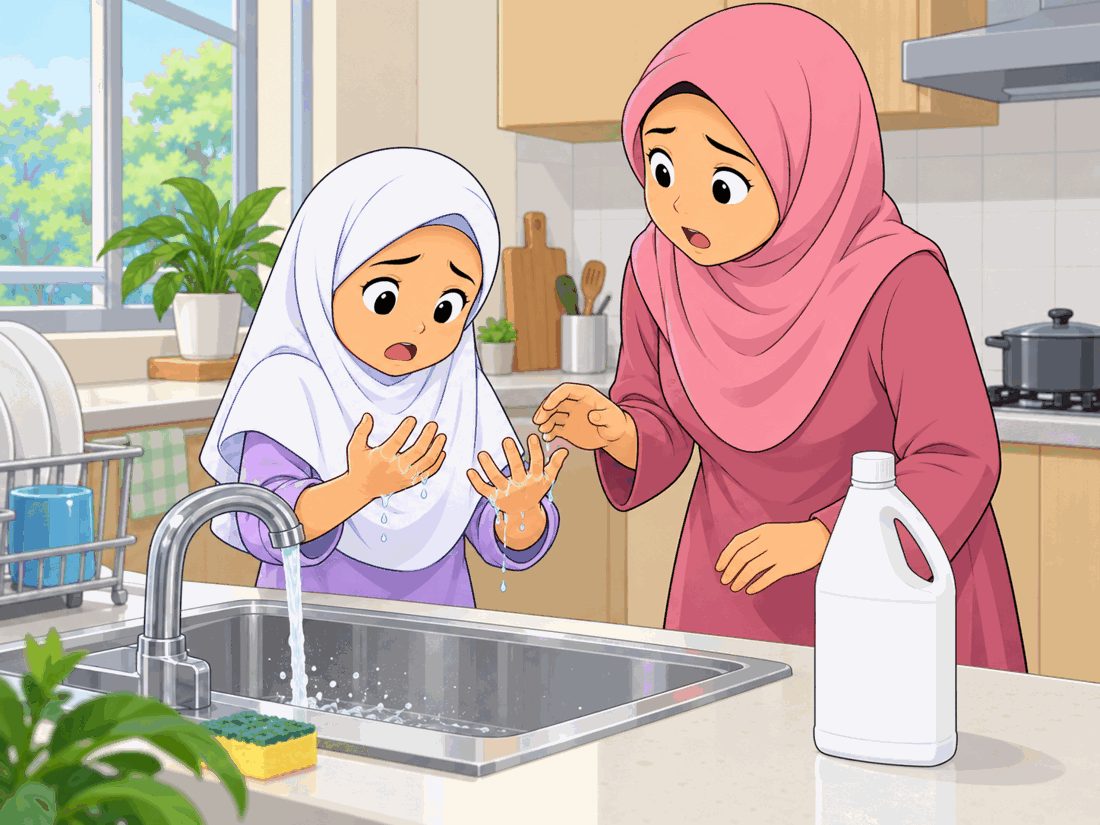
Diagram 8 shows Mei Ling. Her hands feel slippery after using bleach. Bleach is alkaline.
A girl at the kitchen sink asks her mother how to get rid of the slippery feeling from the bleach
Diagram 8
[2 marks] (a)Suggest one thing from the kitchen that Mei Ling can rinse her hands with. Explain why it works.
Show answerHide answer
Tamarind water. It is acidic, so it cancels out the alkaline bleach and the slippery feeling goes away.
Textbook p. 111: rinse with tamarind. Safety: never mix bleach with vinegar or other cleaning products, because this can make a harmful gas.
Tick each point you got.
For the teacher: Creating, high difficulty, standard 8.1.4
Textbook p. 111