Humans
What this chapter covers
- You can name the main parts of the human skeletal system and explain what each part does (2.1.1)
- You can show where the main joints of the body are (2.1.2)
- You can explain what joints do and why we need them (2.1.3)
- You can explain why the skeletal system is important (2.1.4)
- You can name the main parts of the blood circulatory system and state what each part does (2.2.1)
- You can describe the pathway of blood rich in oxygen and blood rich in carbon dioxide (2.2.2)
- You can explain why the blood circulatory system is important (2.2.3)
- You can sketch the blood circulatory pathway (2.2.4)
- You can explain how the skeletal, respiratory, digestive and blood circulatory systems depend on one another (2.3.1)
- You can explain why we must take care of every system and how to protect each one (2.3.2, 2.3.3)
Your body is not just a heap of parts. It is made up of systems, and each system has its own job. In this unit you will study the skeletal system and the blood circulatory system, then see how the systems of the body depend on one another.
2.1The human skeletal system
A worm has no bones, so it cannot stand up like a human. Without bones, we would only be able to writhe and wriggle.
Main parts and their functions
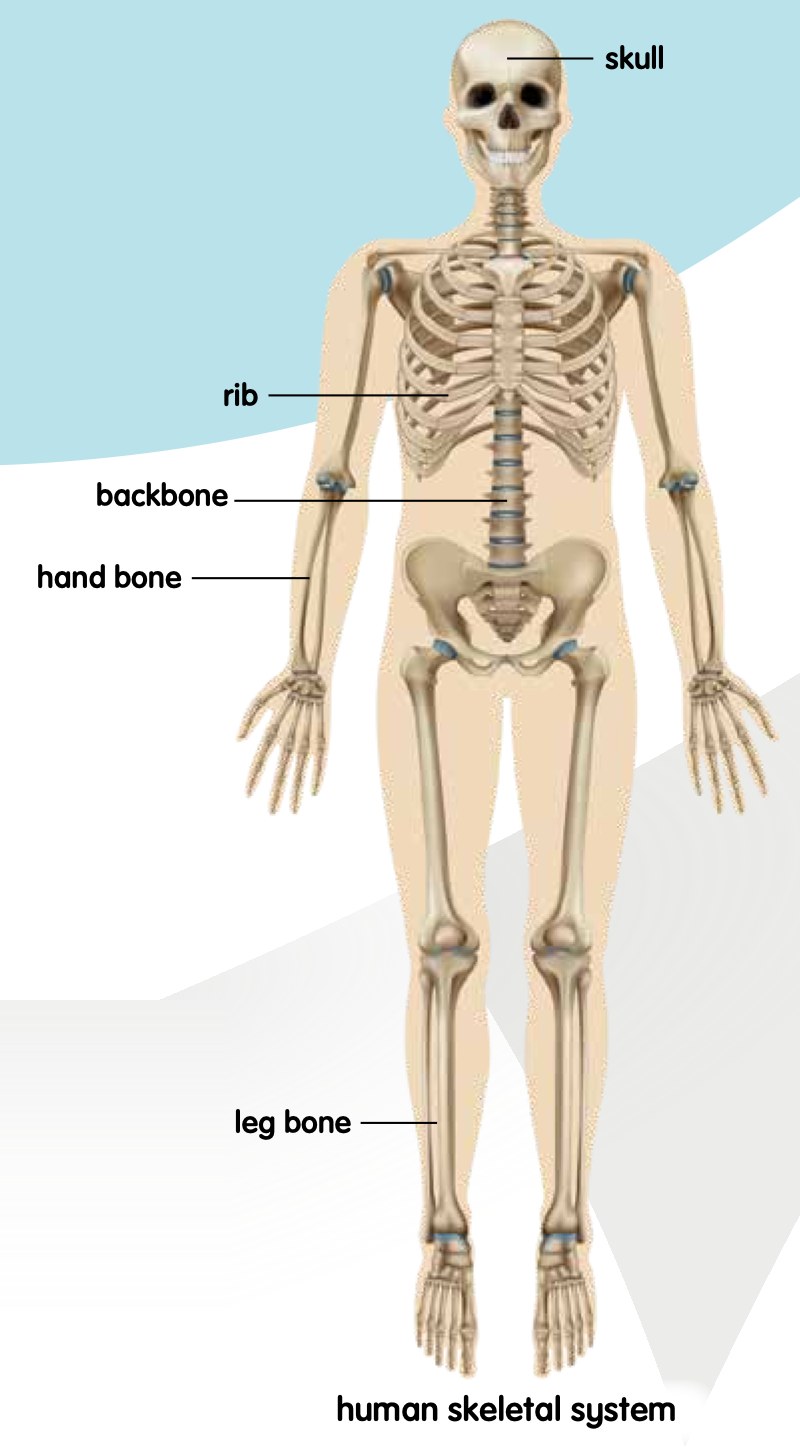
| Main part | What it does |
|---|---|
| Skull | Protects the brain from injury |
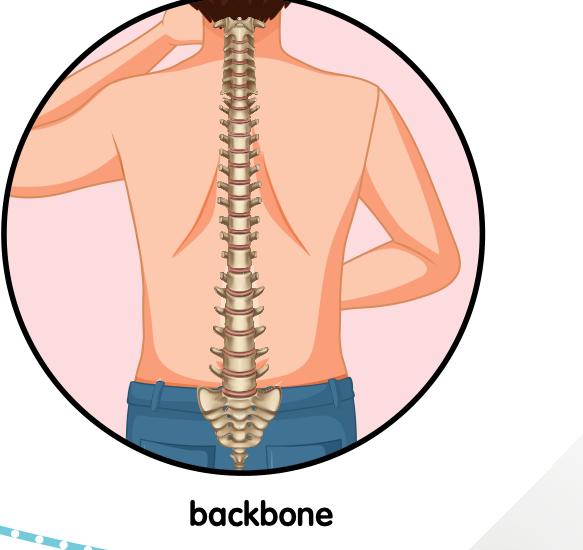
| Backbone | Supports the body, so we can stand upright |
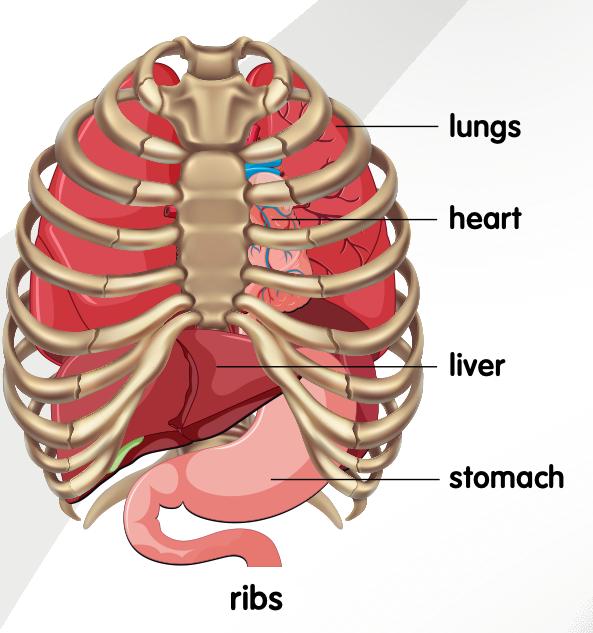
| Ribs | Protect the internal organs such as the lungs and heart |
| Hand bones and leg bones | Give support and allow movement |
Joints
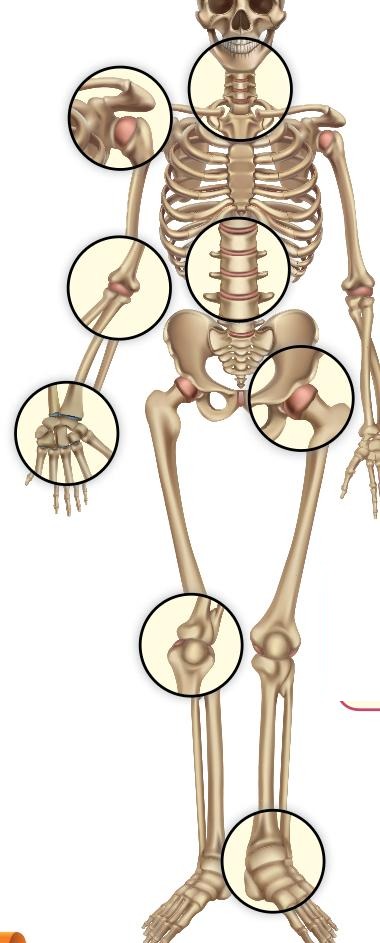
The two bones of the knee meet at the knee joint. Bones connect to each other at joints.
Why do we need joints? Ravi's arm is covered with a bandage, so his bones cannot move and he cannot bend his arm. This is what it would be like if we had no joints.

| Joint | Movement it makes possible |
|---|---|
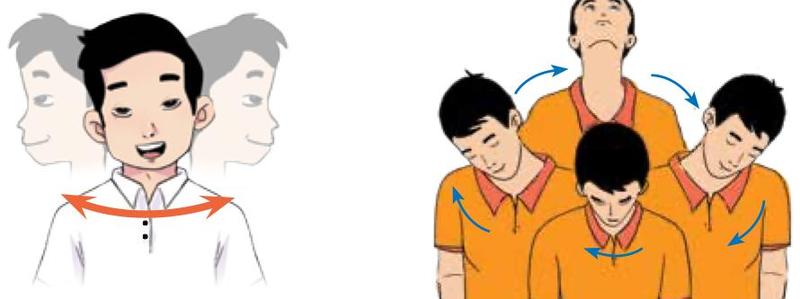
| Neck | Turning and rotating the head |
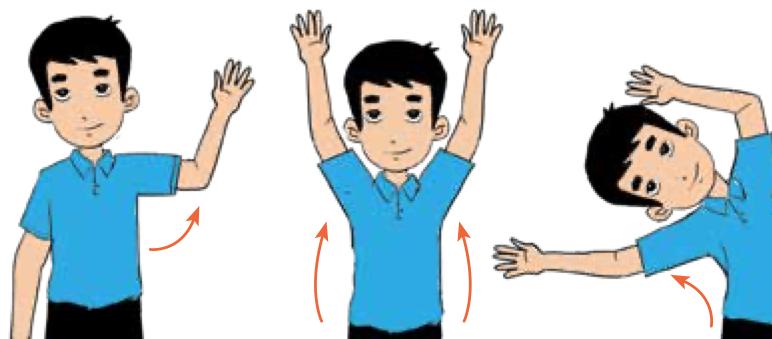
| Shoulders, hands and backbone | Movement of the upper body |
| Shoulders | Arms move back and forth, to the sides or in circles |
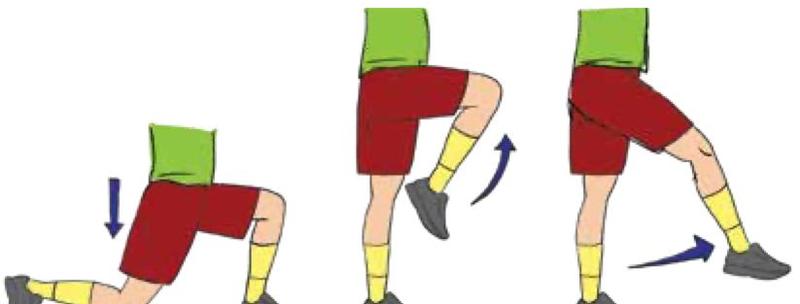
| Knees and hips | Legs bend and straighten |
Why the skeletal system is important
- It supports the body, so we can stand and sit upright.
- It lets the body move, with the help of the joints.
- It protects soft organs: the skull protects the brain, and the ribs protect the heart and lungs.
Show answerHide answer
2.2The human blood circulatory system
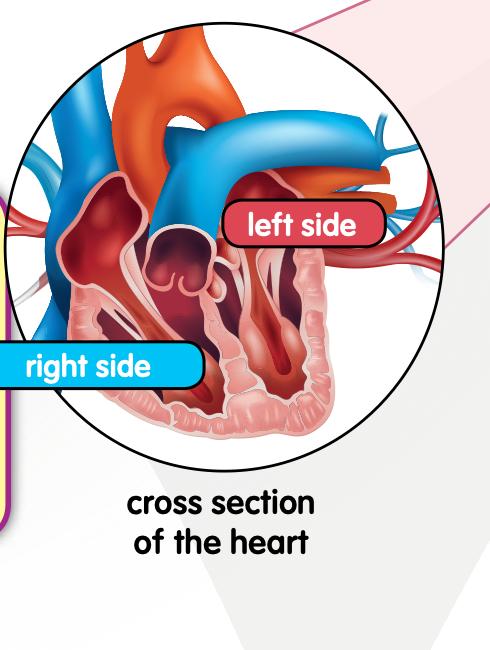
The blood circulatory system transports oxygen, nutrients, water and waste products such as carbon dioxide around the body. Its four main parts are the heart, blood vessels, blood and lungs.
| Part | Function |
|---|---|
| Heart | An organ that pumps blood to the lungs and to the whole body |
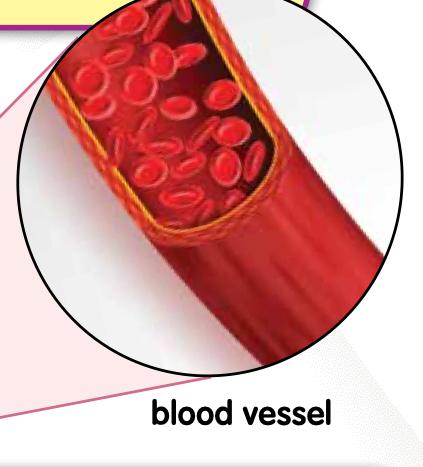
| Blood vessels | Tubes that allow blood to flow and transport blood to the whole body |
| Blood | Transports oxygen, nutrients, water and waste products |
| Lungs | Organs where oxygen and carbon dioxide are exchanged |
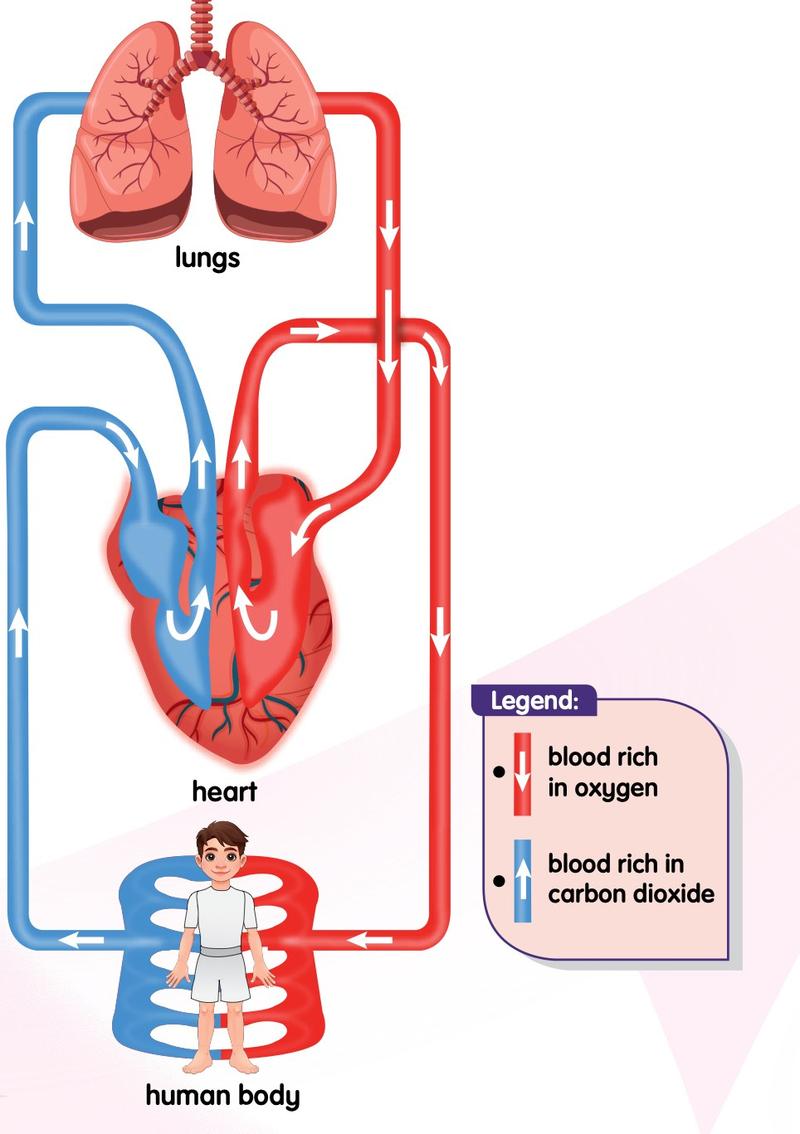
The blood circulatory pathway
| Type of blood | Pathway |
|---|---|
| Blood rich in oxygen | Lungs → heart → human body |
| Blood rich in carbon dioxide | Human body → heart → lungs |
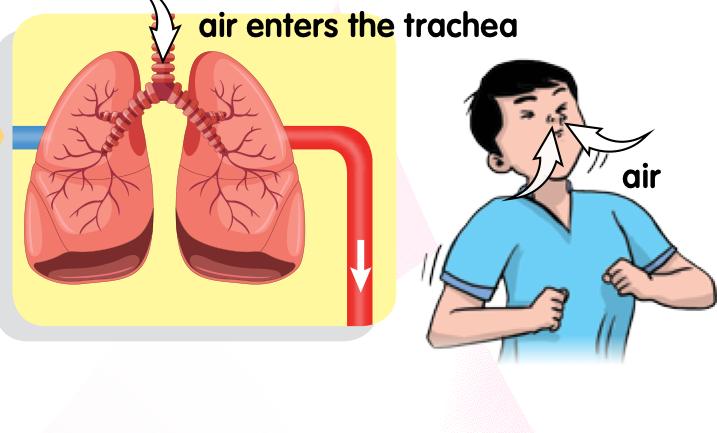
- When we inhale, air rich in oxygen enters the lungs and the oxygen is absorbed into the blood vessels.
- The blood is now rich in oxygen. The heart pumps it to the whole body.
- The body uses up the oxygen and produces carbon dioxide, which is absorbed into the blood.
- The blood is now rich in carbon dioxide. It is transported to the heart.
- The heart pumps it to the lungs. When we exhale, carbon dioxide leaves the lungs.
This happens again and again every time we breathe. That is why the blood circulatory system is closely related to the respiratory system.
Why the blood circulatory system is important
- It transports oxygen, nutrients and water to the whole body.
- It transports carbon dioxide and other waste products out of the body (to the lungs, and to the kidneys, which are excretory organs).
Without this system, the body could not carry out life processes. Nutrients that are absorbed from the intestines are carried by the blood to the heart, and then pumped to the whole body.
Show answerHide answer
2.3Systems working together
The body has many systems, for example the skeletal, respiratory, digestive and blood circulatory systems. They cannot function independently. If one system fails, the others are affected too.
| System | How it depends on the blood circulatory system | How it helps the others |
|---|---|---|
| Respiratory | Blood carries the oxygen to the whole body and carries carbon dioxide away | Takes in oxygen for the blood |
| Skeletal | Blood brings oxygen and nutrients so bones can grow | Protects the lungs and heart |
| Digestive | Blood transports oxygen to it | Supplies nutrients to organs such as the heart |
When one system is disrupted
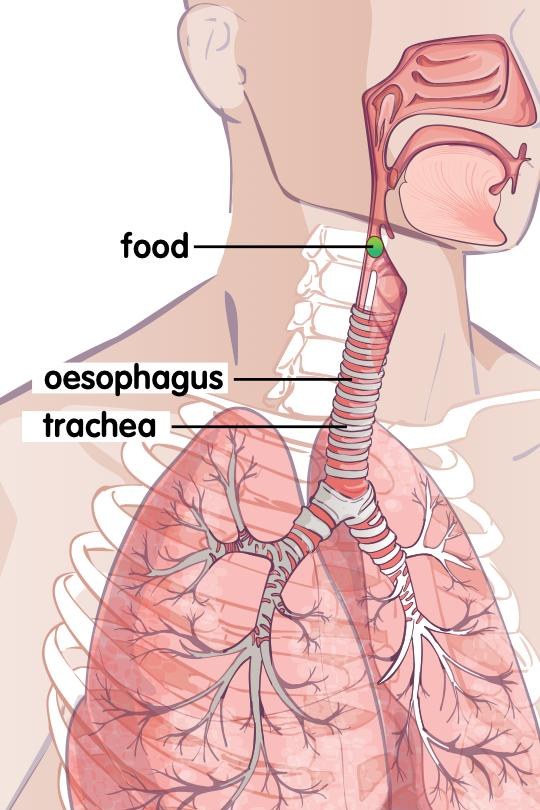
Protecting the systems of the body
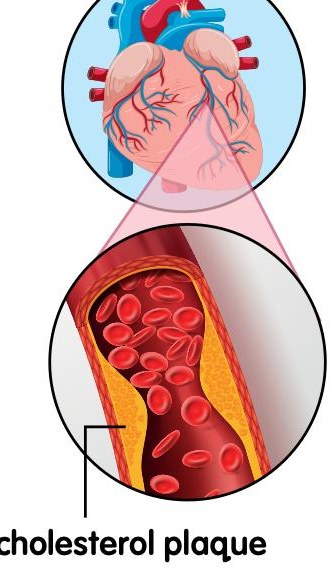
Eating too much food with a lot of fat can build up cholesterol plaque in the blood vessels. The plaque makes the blood vessels narrow, so the heart has to work harder to pump blood.
| System | How to protect it |
|---|---|
| Skeletal | Eat food rich in calcium (such as milk); do physical activities; wear protective gear and seat belts |
| Respiratory | Avoid cigarettes; live in a clean environment; wash hands often |
| Blood circulatory | Eat less food high in fat and sugar; exercise regularly |
| Digestive | Eat food rich in fibre; drink enough water |

Show answerHide answer
Pictures: Science Year 5 (DLP) textbook, pp. 19–48 (skeleton p. 20, backbone and ribs p. 21, joints p. 22, bandage p. 23, joint movements pp. 24–25, heart p. 28, blood vessel p. 29, pathway p. 30, breathing p. 31, choking p. 36, plaque p. 38, protective gear p. 40).
Summary
| Topic | Key points |
|---|---|
| Skeleton | Skull protects the brain; backbone supports; ribs protect organs; hand and leg bones support and move the body |
| Joints | Where two or more bones meet; allow movement and flexibility |
| Circulatory parts | Heart pumps; blood vessels carry; blood transports; lungs exchange gases |
| Pathway | Oxygen-rich: lungs → heart → body. Carbon-dioxide-rich: body → heart → lungs |
| Importance | Transports oxygen, nutrients and water; removes carbon dioxide and wastes |
| Systems | Depend on one another; take care of all of them |