Science questions, unit 2
Nama / NameKelas / ClassTarikh / Date
Humans
44 marks. Use Practice to check each answer as you go, or Exam to answer everything first. Ask a grown-up to help you mark the written answers.
Section A: objective questions
10 marksChoose the best answer for each question.
1
Question 1
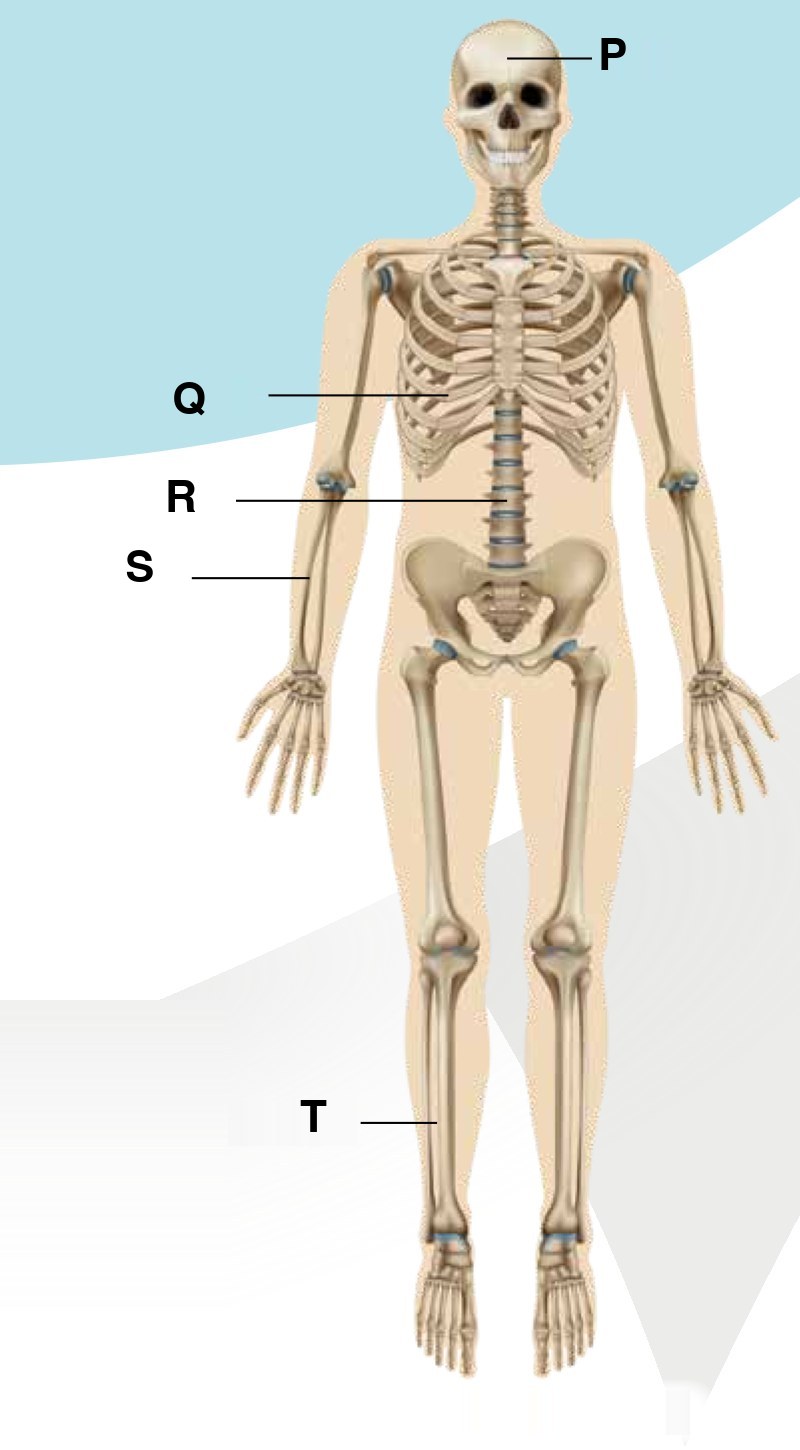
Diagram 1 shows the human skeleton. Which labelled part protects the brain from injury?
Show answerHide answer
A
P is the skull. The skull protects the brain from injury.
2
Question 2
What is the function of the ribs?
Show answerHide answer
B
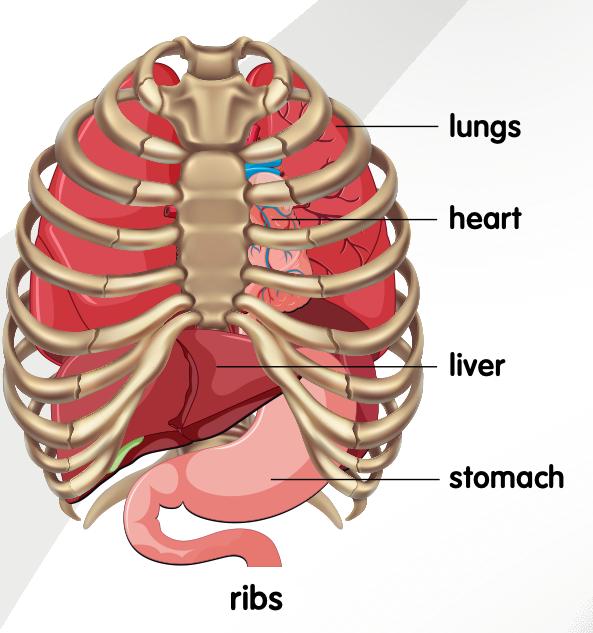
The ribs form a cage around the lungs and the heart. The backbone supports the body and the skull protects the brain.
3
Question 3
What is a joint?
Show answerHide answer
C
A joint is a place where two or more bones are joined together, for example the knee.
4
Question 4
Diagram 2 shows Ravi's arm covered with a bandage. Why can he not bend his arm?

Show answerHide answer
D
The bandage stops the bones from moving at the joint. This shows what it is like to have no joints.
5
Question 5
Hana bends and straightens her legs when she does squats. Which joints make this possible?
Show answerHide answer
B
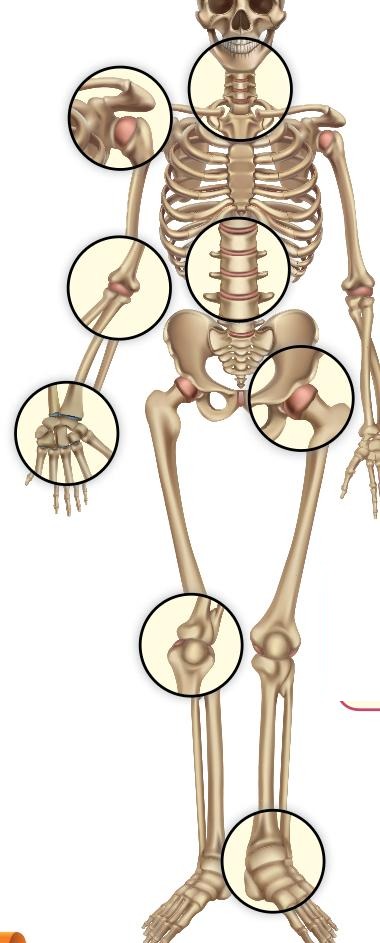
The joints at the knees and hips let the legs bend and straighten.
6
Question 6
What is the main function of the heart?
Show answerHide answer
C
The heart pumps blood. Blood vessels carry the blood and the lungs exchange the gases.
7
Question 7
Which is the correct pathway of blood that is rich in oxygen?
Show answerHide answer
A
Blood picks up oxygen in the lungs. It goes to the heart, which pumps it to the whole body.
8
Question 8
Which substance does the blood transport from the whole body to the lungs to be removed?
Show answerHide answer
C
The body produces carbon dioxide. Blood carries it to the lungs, where it leaves the body when we exhale.
9
Question 9
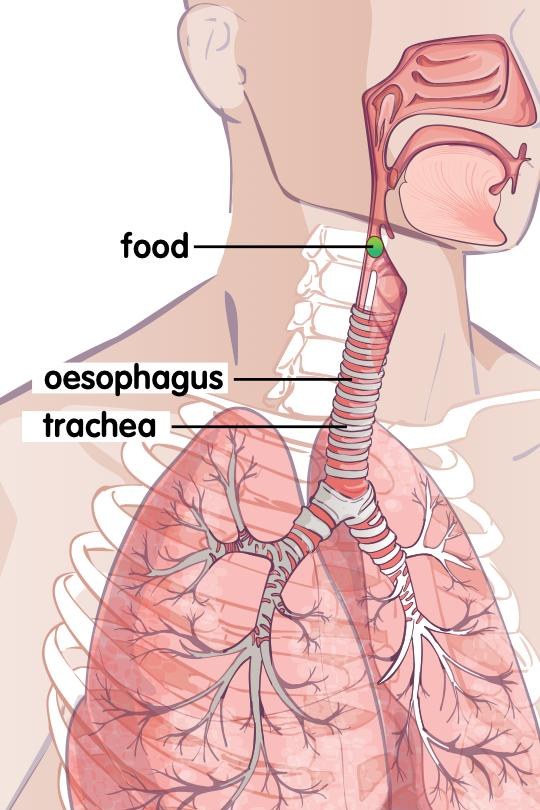
Diagram 3 shows food stuck in a boy's oesophagus. Which two systems are disrupted?
Show answerHide answer
D
Food blocks the oesophagus (digestive system) and stops air from entering the trachea (respiratory system).
10
Question 10
Which habit helps to keep the skeletal system healthy?
Show answerHide answer
A
Milk contains calcium for strong bones and physical activities strengthen bones. Water is for the digestive system.
Section B: structured questions
34 marksAnswer all questions. Circle the answer or write it in the space.
11
Question 11
Look at Diagram 1 again. Name each labelled part. Choose from: skull, ribs, backbone, hand bone, leg bone.
[1 mark]
(a)P
Show answerHide answer
Skull
[1 mark]
(b)Q
Show answerHide answer
Ribs
[1 mark]
(c)R
Show answerHide answer
Backbone
[1 mark]
(d)T
Show answerHide answer
Leg bone
12
Question 12
Diagram 4 shows the ribs.
[1 mark]
(a)State the function of the ribs.
Show answerHide answer
Tick each point you got.
[2 marks]
(b)Name two organs that the ribs protect.
Show answerHide answer
Any 2 points
Tick each point you got.
13
Question 13
Ravi's arm is covered with a bandage, as in Diagram 2.
[1 mark]
(a)Can Ravi bend his arm?
Show answerHide answer
No
[1 mark]
(b)Explain why.
Show answerHide answer
Tick each point you got.
[1 mark]
(c)What does this show about the function of joints?
Show answerHide answer
Tick each point you got.
14
Question 14
Diagram 5 shows the positions of the joints in the human skeleton.
[2 marks]
(a)Name two joints in the leg.
Show answerHide answer
Any 2 points
Tick each point you got.
[1 mark]
(b)Name one joint that lets the head turn.
Show answerHide answer
Tick each point you got.
15
Question 15
Match each part of the blood circulatory system to its function.
[1 mark]
(a)Heart
Show answerHide answer
Pumps blood
[1 mark]
(b)Blood vessels
Show answerHide answer
Transports blood through a network of tubes
[1 mark]
(c)Blood
Show answerHide answer
Transports oxygen, nutrients, water and waste products
[1 mark]
(d)Lungs
Show answerHide answer
Place where oxygen and carbon dioxide are exchanged
16
Question 16
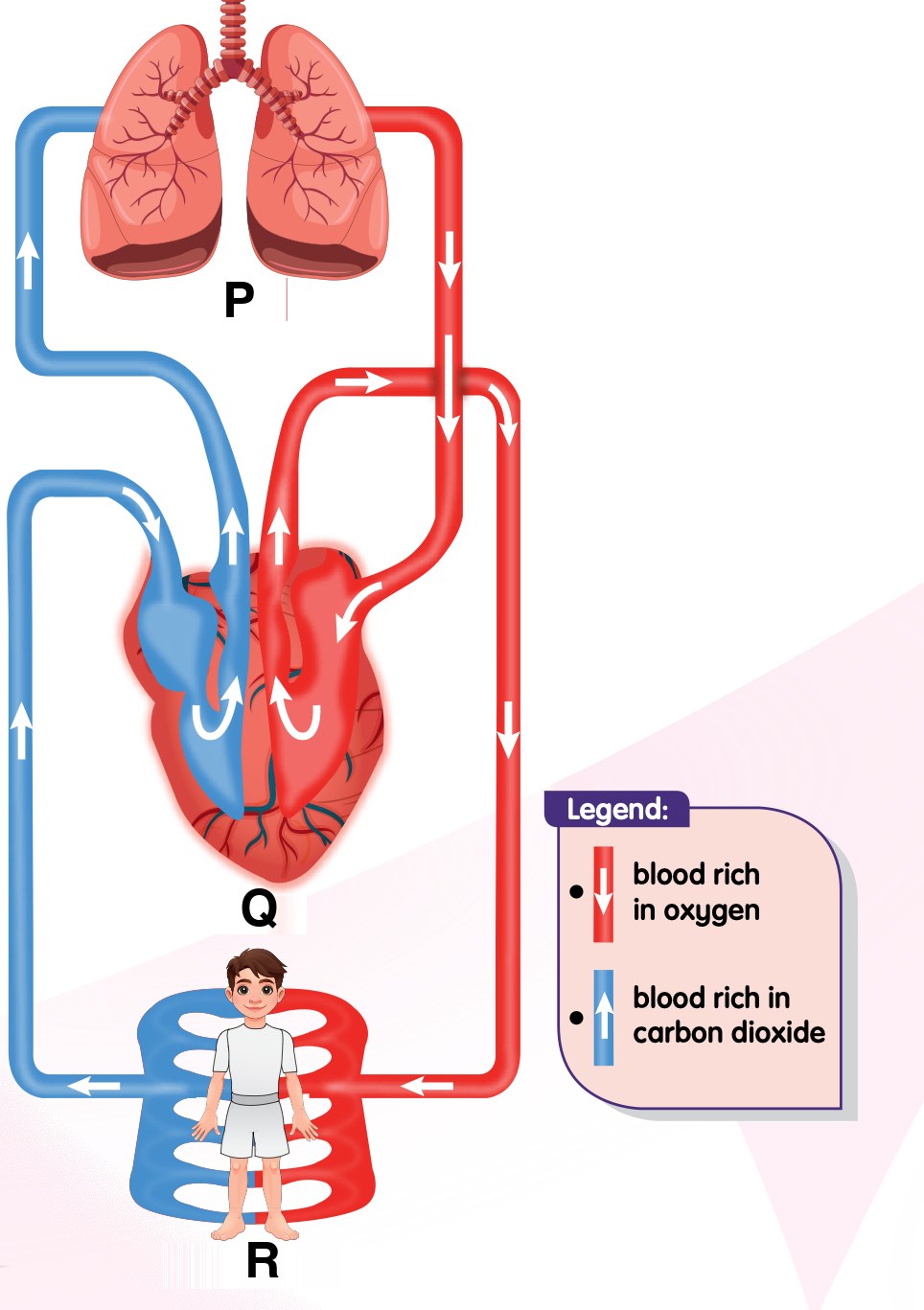
Diagram 6 shows the blood circulatory pathway. Red arrows show blood rich in oxygen and blue arrows show blood rich in carbon dioxide.
[1 mark]
(a)Which letter is the organ where oxygen enters the blood?
Show answerHide answer
P
P is the lungs. Air we inhale enters the lungs and oxygen is absorbed into the blood.
[1 mark]
(b)Use the letters P, Q and R to show the pathway of blood rich in oxygen.
Show answerHide answer
Tick each point you got.
[1 mark]
(c)Use the letters to show the pathway of blood rich in carbon dioxide.
Show answerHide answer
Tick each point you got.
[1 mark]
(d)Which gas is removed from the blood at the lungs when we exhale?
Show answerHide answer
Tick each point you got.
17
Question 17
Systems in the body cannot function independently. Answer these questions about what happens when one system is disrupted.
[1 mark]
(a)A boy chokes on food that is stuck in his oesophagus (Diagram 3). Besides the digestive system, which system is also disrupted?
Show answerHide answer
Respiratory system
[1 mark]
(b)Explain your answer in (a).
Show answerHide answer
Tick each point you got.
[1 mark]
(c)A boy fractures a bone in his arm and the arm becomes swollen. State the other system that is disrupted.
Show answerHide answer
Tick each point you got.
[1 mark]
(d)Name the system that is closely related to the blood circulatory system because we breathe in oxygen.
Show answerHide answer
Tick each point you got.
18
Question 18
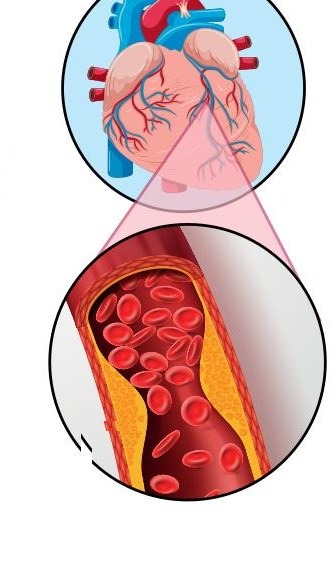
Hana eats fried food and sweet drinks every day and seldom exercises. Diagram 7 shows what can build up in her blood vessels.
[1 mark]
(a)Name the substance that has built up in the blood vessel.
Show answerHide answer
Tick each point you got.
[2 marks]
(b)How does this affect the blood vessel and the heart?
Show answerHide answer
Tick each point you got.
[2 marks]
(c)Suggest two things Hana should do to protect her blood circulatory system.
Show answerHide answer
Any 2 points
Tick each point you got.
19
Question 19
Make a healthy-living plan for a week. Write one habit that protects each of the four systems.
[1 mark]
(a)Skeletal system
Show answerHide answer
Any 1 points
Tick each point you got.
[1 mark]
(b)Respiratory system
Show answerHide answer
Any 1 points
Tick each point you got.
[1 mark]
(c)Digestive system
Show answerHide answer
Any 1 points
Tick each point you got.
[1 mark]
(d)Blood circulatory system
Show answerHide answer
Any 1 points
Tick each point you got.